



02 3 月 How Small Batch Manufacturing Boosts New Brand Growth
How Small Batch Manufacturing Boosts New Brand Growth
In the dynamic world of beauty and cosmetics, growth isn’t always about scaling up quickly. For new brands, it’s about navigating the initial phases, establishing trust, refining products, and expanding at a sustainable pace. Here, small batch manufacturing emerges as a strategic approach that helps brands grow steadily rather than rushing into risky expansions.
Introduction to Small Batch Manufacturing
Small batch manufacturing has transitioned from a niche approach to a mainstream strategy for emerging beauty brands. Understanding its core principles reveals why it’s so effective for early-stage businesses.
What is Small Batch Manufacturing?
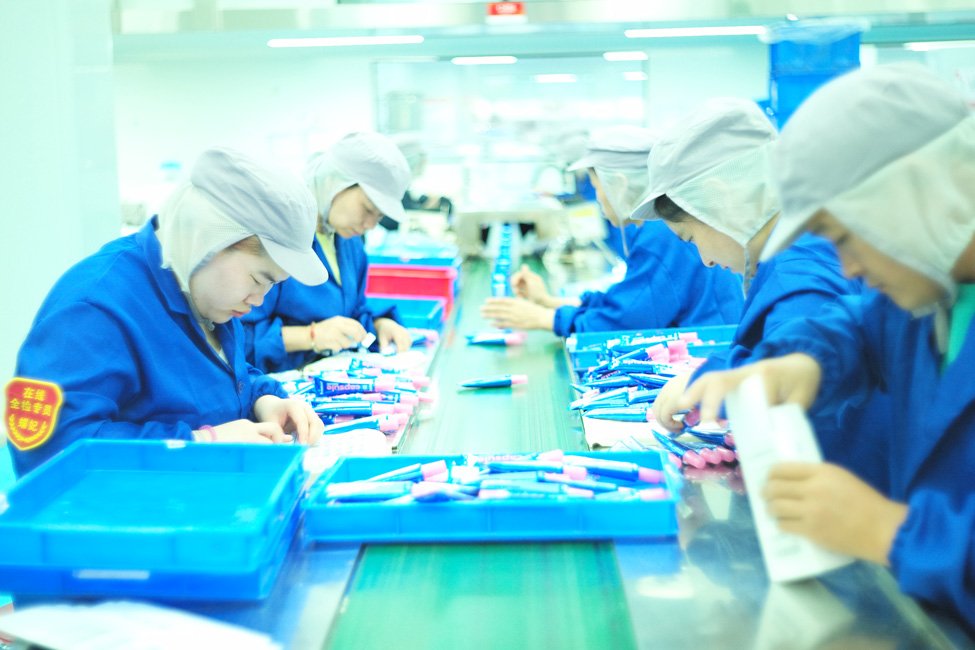
Small batch manufacturing involves producing goods in limited quantities rather than large-scale mass production. In the beauty and cosmetic industry, this often means manufacturing anywhere from a few dozen to a few thousand units per run, depending on the product type and formulation. Unlike mass production, small batch manufacturing emphasizes control and adaptability, allowing brands to maintain consistency, adjust formulations, and experiment with new ideas without committing to extensive inventory.
Why is it Becoming a Major Trend among New and Independent Brands?
The rise of indie beauty brands, direct-to-consumer models, and social media-driven marketing has accelerated the adoption of small batch manufacturing. Consumers today value authenticity, transparency, and uniqueness. They are drawn to brands that feel personal rather than mass-produced. Small batch manufacturing supports this shift by allowing brands to tell a story around craftsmanship, ingredient sourcing, and intentional production. It also aligns well with sustainability goals, as producing smaller quantities reduces waste and overproduction.

Advantages and Limitations of Small Batch Manufacturing: Lower Risk, Higher Flexibility
While small batch manufacturing isn’t a perfect solution, its strengths are particularly well-suited to new brands. Understanding both the advantages and limitations helps founders make informed decisions and plan for long-term growth.
Real-Time Adjustment and Product Refinement
One of the biggest advantages of small batch manufacturing is the ability to adjust products in real time. Feedback from early customers can be quickly incorporated into future batches, whether that means tweaking a formula, improving texture, adjusting fragrance, or changing packaging. In the beauty industry, where sensory experience matters deeply, this flexibility is invaluable. A product doesn’t have to be perfect on the first launch; instead, it can evolve based on real user feedback rather than assumptions. This iterative approach often leads to stronger products that genuinely meet customer needs.
Builds a Loyal Early Community
Small batch manufacturing naturally supports community building. Early customers often feel like insiders who are part of the brand’s journey. Limited runs create a sense of exclusivity and involvement, which can strengthen emotional connection and brand loyalty. When customers know their feedback directly influences future batches, they are more likely to engage, share reviews, and advocate for the brand. This early community becomes a foundation for organic growth, especially through word-of-mouth and social media.
Potential Challenges and Limitations
Despite its advantages, small batch manufacturing does come with challenges. Unit costs are typically higher than mass production due to smaller economies of scale. This can affect pricing strategies and margins, especially in highly competitive markets. Production capacity is another limitation. As demand grows, small batch processes may struggle to keep up, leading to longer lead times or stock shortages. Operational complexity can also increase, as more frequent production runs require careful planning, quality control, and supplier coordination.
Recognizing these limitations early allows brands to plan transitions thoughtfully rather than reacting under pressure.
Why Small Batch Manufacturing Facilitates Steady Growth for New Brands
Steady growth is about aligning ambition with capability. Small batch manufacturing supports this balance by encouraging measured expansion based on real data and customer response.
Limited Products Create a Sense of Scarcity and Uniqueness
Limited availability can be a powerful marketing tool. Small batch products feel special, curated, and intentional. This sense of scarcity often increases perceived value and urgency, encouraging customers to act rather than delay purchases. In beauty, where differentiation is key, limited runs can also support storytelling. Brands can experiment with seasonal releases, ingredient spotlights, or special formulations that keep the product lineup fresh without overwhelming the market.

Data from Small Batch Production Can Be Used to Forecast Actual Demand
Small batch manufacturing generates meaningful data at a manageable scale. Sales velocity, repeat purchase rates, customer feedback, and return data all provide insights into product performance. Instead of relying on market projections or guesswork, brands can use real sales data to forecast demand more accurately. This reduces the risk of overproduction when scaling up and supports smarter inventory planning as the business grows.
Cultivates an Agile, Learning-Focused Development Process for the Brand
Perhaps the most overlooked benefit of small batch manufacturing is the mindset it encourages. Brands operating this way tend to prioritize learning, experimentation, and responsiveness. Teams become comfortable testing ideas, analyzing outcomes, and refining strategies. This agility becomes a long-term competitive advantage, even as the brand grows larger. In an industry where trends shift quickly, the ability to adapt is often more valuable than sheer production capacity.
Who Should Use Small Batch Manufacturing?
Small batch manufacturing is not limited to one type of business but is particularly well-suited to certain profiles and growth stages within the beauty industry.
Start-Up Company, Beauty Brand
For start-up beauty brands, small batch manufacturing is often the most practical entry point. It allows founders to launch with lower upfront costs, validate their concept, and build credibility before seeking larger investments or expanding distribution. Brands focusing on clean beauty, niche skincare concerns, or innovative formulations often benefit the most, as these categories rely heavily on education, trust, and gradual adoption rather than mass appeal from day one.
When to Transition from Small Batch to Mass Production
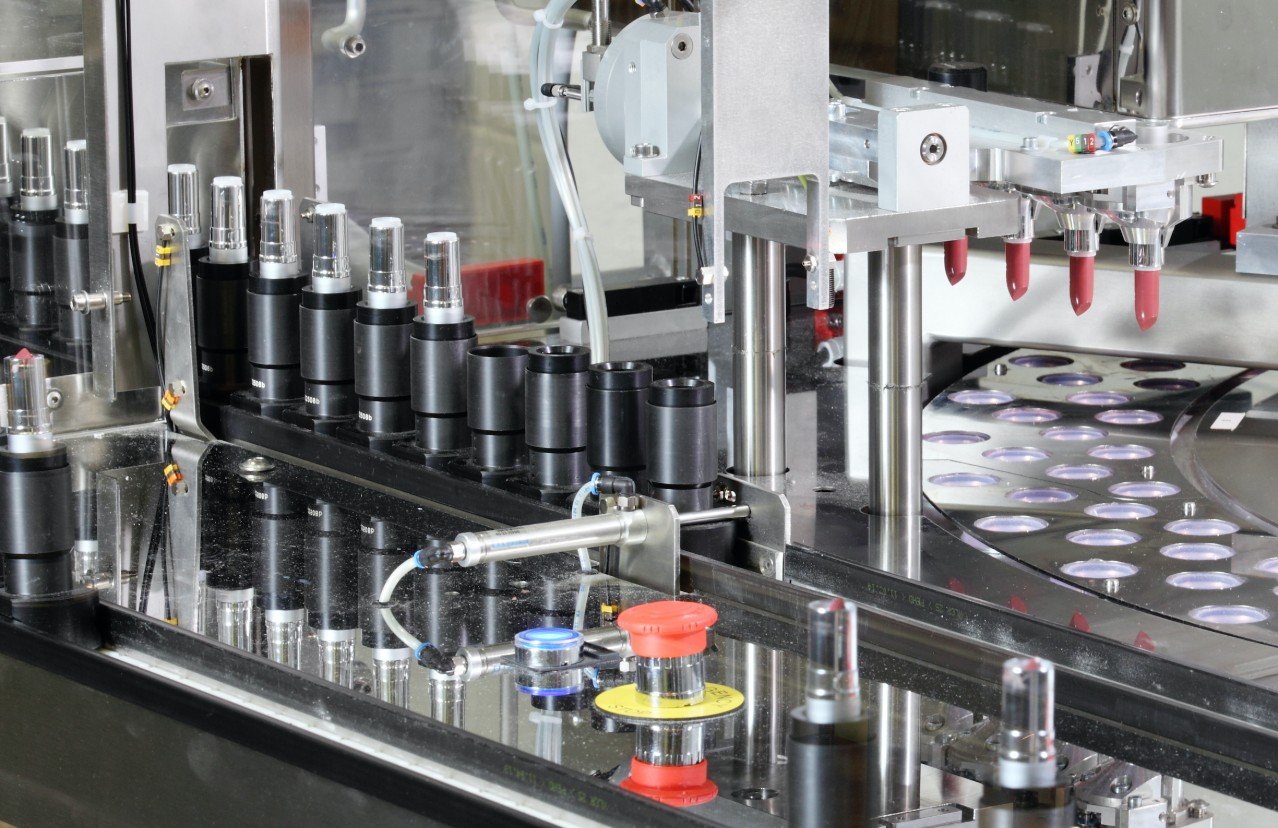
There is no fixed timeline for transitioning to mass production. The decision should be driven by consistent demand, stable formulations, reliable sales channels, and sufficient capital. Signs that a brand may be ready include repeated stock sell-outs, predictable reorder cycles, and confidence that the product meets market expectations. Even then, some brands choose a hybrid approach, maintaining small batch production for limited editions while mass producing core products.
A thoughtful transition ensures that growth remains steady rather than disruptive.
Conclusion
Small batch manufacturing offers more than just a production method. It provides a growth philosophy that aligns with the realities of building a beauty brand from the ground up. By reducing risk, increasing flexibility, and fostering close relationships with early customers, it creates an environment where brands can learn, adapt, and improve before scaling. In an industry where trust, quality, and differentiation matter deeply, growing steadily often leads to stronger foundations and longer-lasting success. For new and independent beauty brands, small batch manufacturing is not just a starting point. It is a strategic advantage that supports sustainable growth at every stage of the journey.
暂无评论