


21 Nov Vitamin C Face Cream OEM: 6 Oxidation Rules for SEA
A vitamin c face cream oem brief that performs in a Paris lab can fail in a Jakarta warehouse inside one monsoon season. Ascorbic acid is the reason: its degradation rate climbs with pH and it oxidizes faster the warmer the pack gets, which is the opposite of what a tropical supply chain offers. The Southeast Asia K-beauty market is forecast to grow from USD 3.8B in 2026 to 10.04B by 2035, and tropical-climate formulations already add 15–25% to raw-material cost — money that is wasted if the vitamin c face cream oem still turns brown on the shelf.
Six rules decide whether a brightening cream survives that climate. We run all six on every vitamin c cream manufacturer brief before quoting, and they are drawn from published stability work rather than habit.
Table of Contents
Rule 1: Set the pH Window, Not a Target
Ascorbic acid needs an acidic environment to stay reduced, but the relationship is not linear: degradation rises with pH, and the same stability study (PMID 10518678) found the rate slower in emulsified systems than in plain water. A cream therefore has more room than a serum — and more temptation to drift. Spec a window (for example pH 3.3–3.8) and measure it on the finished batch, not the water phase, or the brightening face cream private label you approve in the lab will not match the one that ships in July.
Rule 2: Pair With Tocopherol
Vitamin C works better with a partner. In pig skin, 15% L-ascorbic acid with 1% alpha-tocopherol delivered roughly four times the photoprotection of either ingredient alone, per a pig-skin trial (PMID 12789176). In a face cream the pairing also slows oxidation, because tocopherol quenches the radicals that would otherwise consume the ascorbic acid. It is the cheapest stability upgrade available to any vitamin c face cream oem program, and it costs a line on the label, not a new filling line.
Send your target market and cream format — we will return a quotation with the stability plan, MOQ ladder and free samples within 24 hours.
Rule 3: Use Ferulic Acid as Insurance
Ferulic acid is the third leg of the classic C + E system. The ferulic acid stability work (JAAD) found more than 90% of L-ascorbic acid retained after one month at 45 °C in a C + E + ferulic formula — roughly a year at room temperature, and exactly the margin a tropical stockroom needs. Ferulic acid is not a claim; it is an insurance premium. In a 50 g private label face cream it is also one of the few additions that improves both stability and the marketing story.
Rule 4: Choose the Pack for the Climate
Headspace oxygen is the silent killer. A jar with a wide mouth and a loose lid exchanges air every time it opens; an airless pump or a small-mouth jar with a liner exchanges far less. For humid markets we default to opaque or amber packs, a tight liner, and a fill that leaves minimal headspace. The skincare packaging options guide sets out the formats, and the cost difference between a stock jar and an airless pack is usually smaller than one reformulation cycle.
Rule 5: Test 45 C and the Real Shipment
Standard stability is 40 °C for three months; tropical reality is a container on a dock. We run 45 °C / 90 days in the actual pack, plus a freeze-thaw cycle and a shake test that mimics ocean freight. Where the client has a destination warehouse, we ask for one returned sample after the first shipment. For a face cream oem moq of 3,000 pcs, that one returned jar is worth more than any accelerated report.
Rule 6: Localize the Claims and Halal File
The same cream needs different paperwork per market. The EU wants a PIF, a CPNP notification and claims inside Regulation (EC) 1223/2009; the US wants MoCRA listing; Indonesia requires halal certification through BPJPH halal authority with the mandatory date now in force for cosmetics. Brightening claims also need care — “brightening” and “evens the look of tone” are cosmetic, while “whitening” and “treats pigmentation” invite a drug or quasi-drug review in several of these markets.
| Rule | What to lock | Tropical failure it prevents |
|---|---|---|
| pH window | 3.3–3.8 measured on the batch | Fast browning in the jar |
| Tocopherol pair | 1% alpha-tocopherol with the ascorbic acid | Oxidation during freight |
| Ferulic acid | C + E + ferulic system, 45°C data | Loss of potency before shelf life |
| Pack format | Opaque or amber, tight liner, low headspace | Air exchange at every opening |
| Testing | 45°C / 90 days plus freeze-thaw and shake | Container heat on the dock |
| Claims and files | PIF, CPNP, MoCRA, BPJPH halal | Relabeling after registration |
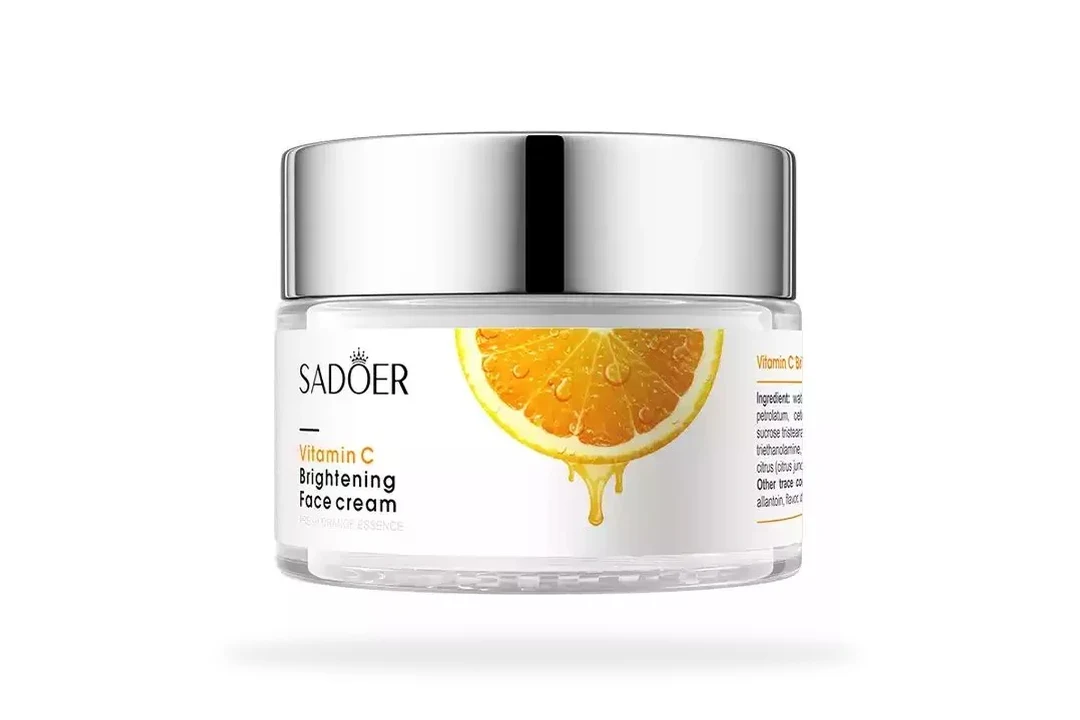
Six rules, one formula brief. A vitamin c face cream oem that follows them arrives in Manila the same colour it left the factory, and the brand keeps the reorder instead of explaining a brown jar. Our vitamin C face cream OEM page shows the 50 g jar on the 3,000 pcs tier; the serum side of the same story is covered in the aloe vitamin C serum Gulf heat guide.
Send your market, pack format and target price — we will return a vitamin C cream quotation with the stability plan and free samples within 24 hours.
☎ Phone / WhatsApp: +86 133 6440 1300
✉ Email: [email protected]
🕐 Working Hours: Monday – Saturday, 9:00 – 18:00 (GMT+8)
✉ Request the Quote — Reply Within 24h📍 Book a Factory VisitFrequently Asked Questions
What is the MOQ for a vitamin C face cream OEM program?
3,000 pcs per SKU on a 50 g jar with a stock jar and cap, moving to 5,000 when the jar is tooled or the carton is printed in a custom dieline. Samples ship in 7–10 days and the fee credits against the first order.
How do you keep vitamin C from oxidizing before it reaches the customer?
An acidic pH window, a tocopherol partner, a ferulic acid stabilizer, an opaque pack with low headspace, and a 45 °C / 90-day run in the actual jar. Our stance: skip the ferulic acid and you are shipping a cream that ages twice as fast as the label promises.
Does a brightening face cream need halal certification for Indonesia?
Yes — cosmetic halal certification through BPJPH is now mandatory for the Indonesian market, and the file covers formula, filling line and packaging. It is a document line in the quote, not an afterthought once the private label face cream is already on the water.
Keep reading: Vitamin C Face Cream OEM 50 g Jar · Aloe Vitamin C Serum OEM · Aloe Vitamin C Serum: 5 Gulf Heat Fixes · Sample Development Process · Get a Custom Quote
Sorry, the comment form is closed at this time.