


23 Jan Want Bestsellers? 7 Proven Face Cream Recipes, Ready for Your Label
Want Bestsellers? 7 Proven Face Cream Recipes, Ready for Your Label.
The beauty industry is booming, and there’s never been a better time to launch your own skincare line. But where do you start? The foundation of any successful brand is a killer product, and in the world of skincare, that often means a face cream that your customers will rave about and repurchase again and again. You’re not just looking for any face cream; you’re looking for bestsellers. You want formulas that deliver tangible results, cater to diverse skin needs, and are infused with ingredients that resonate with today’s discerning consumers.
This guide is your launchpad. We’ve curated seven proven face cream recipes, designed with market appeal and efficacy in mind. These aren’t just theoretical concepts; they’re practical formulations that you can adapt, brand, and bring to market. Whether you’re targeting anti-aging, hydration, blemish control, or sensitive skin, we’ve got you covered. Get ready to transform your vision into a tangible product that flies off the shelves.

The Core of a Bestselling Face Cream: Key Ingredient Categories
Before we dive into the recipes, let’s understand the building blocks of a high-performing face cream. Understanding these categories will empower you to customize and innovate.
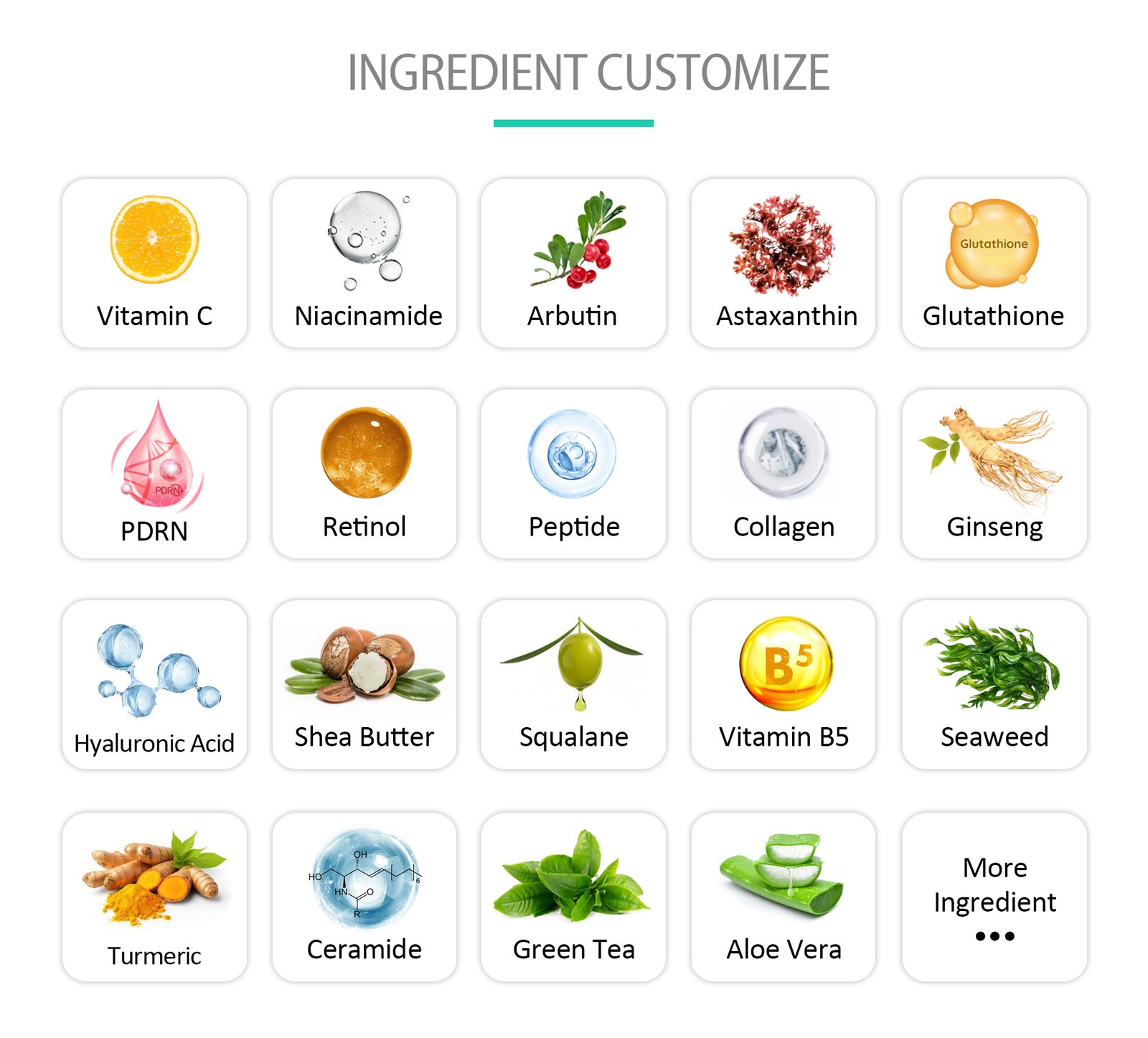
- Emollients: These are the moisturizers that soften and smooth the skin. They create a protective barrier to prevent moisture loss. Examples include shea butter, cocoa butter, various plant oils (jojoba, argan, almond), and squalane.
- Humectants: These ingredients attract water from the environment and deeper layers of the skin to hydrate the surface. Glycerin, hyaluronic acid, and panthenol (Vitamin B5) are prime examples.
- Occlusives: These form a physical barrier on the skin to seal in moisture and protect against environmental aggressors. Think petrolatum, mineral oil, beeswax, and dimethicone.
- Active Ingredients: This is where the magic happens – the ingredients that target specific skin concerns. Examples include retinol for anti-aging, salicylic acid for acne, vitamin C for brightening, and niacinamide for pore refinement and barrier support.
- Emulsifiers: Crucial for creating a stable blend of oil and water, forming the cream texture. Common emulsifiers include cetearyl alcohol, glyceryl stearate, and polysorbates.
- Preservatives: Essential for preventing microbial growth and extending shelf life. Options range from natural preservatives like radish root ferment filtrate to broad-spectrum synthetic preservatives.
7 Proven Face Cream Recipes for Your Brand
Each of these recipes can be a starting point. Feel free to adjust percentages based on desired texture, scent, and specific ingredient sourcing.
1. The “Ageless Radiance” Anti-Aging Cream
This formulation focuses on potent antioxidants and cell-renewal ingredients.
| Ingredient | Percentage (%) | Function |
|---|---|---|
| Shea Butter | 15.0 | Emollient, rich in vitamins and fatty acids |
| Jojoba Oil | 10.0 | Mimics skin’s natural sebum, moisturizing |
| Squalane | 5.0 | Lightweight hydration, antioxidant |
| Hyaluronic Acid (low molecular weight) | 2.0 | Deep hydration, plumping |
| Vitamin C (Ascorbyl Palmitate) | 3.0 | Brightening, collagen support, antioxidant |
| Retinyl Palmitate | 1.0 | Gentle retinol, cell turnover |
| Coenzyme Q10 | 1.0 | Antioxidant, energy booster for cells |
| Cetearyl Alcohol | 4.0 | Emulsifier, thickener |
| Glyceryl Stearate SE | 3.0 | Emulsifier |
| Distilled Water | 53.0 | Solvent for water-soluble ingredients |
| Phenoxyethanol | 1.0 | Broad-spectrum preservative |
| Tocopherol (Vitamin E) | 3.0 | Antioxidant, stabilizer, emollient |
Notes: Ensure Vitamin C and Retinyl Palmitate are stable in this formulation. Consider adding a mild scent like lavender essential oil at 0.5%.
2. The “Hydra-Bounce” Intense Hydration Cream
Designed for dry and dehydrated skin, this cream emphasizes humectants and nourishing oils.
| Ingredient | Percentage (%) | Function |
|---|---|---|
| Cocoa Butter | 10.0 | Rich emollient, replenishes moisture |
| Almond Oil | 15.0 | Nourishing, rich in Vitamin E |
| Glycerin | 7.0 | Powerful humectant |
| Sodium Hyaluronate | 2.0 | Deeply hydrates, forms moisture barrier |
| Panthenol (Vitamin B5) | 2.0 | Soothing, hydrating, improves barrier |
| Ceramides NP | 1.0 | Strengthens skin barrier, prevents loss |
| Cetearyl Alcohol | 4.0 | Emulsifier, thickener |
| Polysorbate 60 | 3.0 | Emulsifier |
| Distilled Water | 53.0 | Solvent |
| Radish Root Ferment Filtrate | 1.0 | Natural preservative |
| Allantoin | 1.0 | Soothing, skin-conditioning |
Notes: This cream will have a richer feel. A touch of chamomile extract can enhance its soothing properties.
3. The “Clear Complexion” Blemish Control Cream
Formulated with ingredients that help manage breakouts and oiliness without over-drying.
| Ingredient | Percentage (%) | Function |
|---|---|---|
| Grapeseed Oil | 10.0 | Lightweight, less likely to clog pores |
| Caprylic/Capric Triglyceride | 10.0 | Emollient, non-greasy feel |
| Salicylic Acid | 2.0 | Exfoliates pores, reduces inflammation |
| Niacinamide (Vitamin B3) | 5.0 | Reduces inflammation, controls oil, pores |
| Willow Bark Extract | 3.0 | Natural source of salicylic acid, soothing |
| Zinc PCA | 1.0 | Helps regulate sebum production |
| Cetearyl Alcohol | 4.0 | Emulsifier, thickener |
| Glyceryl Stearate | 3.0 | Emulsifier |
| Distilled Water | 58.0 | Solvent |
| Benzyl Alcohol | 1.0 | Preservative |
| Tea Tree Oil (optional) | 0.5 | Antimicrobial, for spot treatment effect |
Notes: Ensure proper pH for Salicylic Acid efficacy and skin tolerance. Tea tree oil should be used cautiously due to potential irritation.
4. The “Soothing Sanctuary” Sensitive Skin Cream
A gentle, calming formula designed for easily irritated or redness-prone skin.
| Ingredient | Percentage (%) | Function |
|---|---|---|
| Oat Kernel Oil | 15.0 | Anti-inflammatory, soothing, moisturizing |
| Apricot Kernel Oil | 10.0 | Lightweight, easily absorbed |
| Bisabolol | 1.0 | Derived from chamomile, potent anti-redness |
| Centella Asiatica Extract | 2.0 | Calming, promotes healing |
| Allantoin | 1.0 | Soothing, skin-conditioning |
| Calendula Extract | 3.0 | Anti-inflammatory, healing properties |
| Cetearyl Alcohol | 4.0 | Emulsifier, thickener |
| Glyceryl Stearate SE | 3.0 | Emulsifier |
| Distilled Water | 57.0 | Solvent |
| Potassium Sorbate | 0.5 | Preservative |
| Sodium Benzoate | 0.5 | Preservative |
Notes: Avoid essential oils and fragrances. Stick to minimal, well-tolerated ingredients.
5. The “Brightening Boost” Vitamin C Cream
A powerhouse of antioxidants to combat dullness and uneven tone.
| Ingredient | Percentage (%) | Function |
|---|---|---|
| Rosehip Seed Oil | 10.0 | Rich in Vitamin A and essential fatty acids |
| Squalane | 10.0 | Lightweight hydration, antioxidant |
| Vitamin C (L-Ascorbic Acid) | 5.0 | Potent antioxidant, brightens, collagen boost |
| Vitamin E (Tocopherol) | 3.0 | Antioxidant, enhances Vitamin C stability |
| Ferulic Acid | 0.5 | Stabilizes Vitamin C & E, boosts antioxidant power |
| Licorice Root Extract | 2.0 | Brightens, soothes, reduces redness |
| Cetearyl Alcohol | 4.0 | Emulsifier, thickener |
| Glyceryl Stearate | 3.0 | Emulsifier |
| Distilled Water | 59.5 | Solvent |
| Phenoxyethanol | 1.0 | Broad-spectrum preservative |
Notes: L-Ascorbic Acid is highly unstable. This recipe would require careful pH adjustment (typically below 3.5) and specialized manufacturing processes to ensure stability and efficacy. Stabilized Vitamin C derivatives might be a more practical alternative.
6. The “Nourishing Silk” Daily Moisturizer
A balanced, everyday cream suitable for most skin types, focusing on gentle hydration and barrier support.
| Ingredient | Percentage (%) | Function |
|---|---|---|
| Sunflower Seed Oil | 12.0 | Rich in linoleic acid, good for barrier |
| Meadowfoam Seed Oil | 8.0 | Stable, antioxidant, improves skin feel |
| Glycerin | 5.0 | Humectant |
| Niacinamide | 3.0 | Barrier support, pore refinement |
| Ceramides AP | 1.0 | Reinforces skin barrier |
| Cetearyl Alcohol | 4.0 | Emulsifier, thickener |
| Polysorbate 60 | 3.0 | Emulsifier |
| Distilled Water | 61.0 | Solvent |
| Ethylhexylglycerin | 0.5 | Preservative booster |
| Caprylyl Glycol | 0.5 | Preservative, emollient |
Notes: This is a versatile base. Consider adding a gentle botanical extract like green tea for added antioxidant benefits.
7. The “Firm & Lift” Peptide-Rich Cream
Targets firmness and the appearance of fine lines with advanced peptide technology.
| Ingredient | Percentage (%) | Function |
|---|---|---|
| Argan Oil | 10.0 | Nourishing, antioxidant, Vitamin E rich |
| Jojoba Oil | 10.0 | Moisturizing, balances sebum |
| Palmitoyl Tripeptide-1 | 1.0 | Peptide that supports collagen production |
| Palmitoyl Tetrapeptide-7 | 1.0 | Peptide that helps reduce inflammation |
| Matrixyl 3000 | 2.0 | Combination of the above peptides |
| Caffeine | 0.5 | Can temporarily tighten and reduce puffiness |
| Shea Butter | 5.0 | Emollient, adds richness |
| Cetearyl Alcohol | 4.0 | Emulsifier, thickener |
| Glyceryl Stearate SE | 3.0 | Emulsifier |
| Distilled Water | 60.5 | Solvent |
| Phenoxyethanol | 1.0 | Broad-spectrum preservative |
| Sodium Hyaluronate | 1.0 | Hydration |
Notes: Peptides are often sensitive to heat and pH. Follow manufacturer guidelines for incorporation.
Want Bestsellers? 7 Proven Face Cream Recipes, Ready for Your Label. – FAQ
Here are some frequently asked questions to help you navigate the process of creating your bestselling face creams.
Q1: How do I ensure the stability and shelf-life of my face cream, especially with natural ingredients? A: Stability and shelf-life are paramount. This involves a multi-pronged approach. First, pH testing and adjustment is critical, especially for ingredients like Vitamin C or salicylic acid, which require specific pH ranges to be effective and stable. Second, choosing the right preservative system is non-negotiable. For natural lines, this might involve a blend of plant-derived preservatives and antimicrobial extracts, but it’s crucial to ensure broad-spectrum protection against bacteria, yeast, and mold. Third, proper emulsification creates a stable blend of oil and water phases, preventing separation over time. Using a robust emulsifier system that’s compatible with all your ingredients is key. Finally, packaging plays a role. Airless pumps or opaque jars protect formulations from light and air, which can degrade sensitive ingredients like antioxidants and essential oils, thereby extending shelf life. Thorough stability testing under various conditions (heat, light, freeze-thaw) is a standard industry practice to confirm your product’s integrity.
Q2: Can I customize these recipes to cater to specific skin concerns like eczema or rosacea beyond general sensitivity? A: Absolutely. These recipes serve as excellent starting points, and customization is where you can truly differentiate your brand. For eczema-prone skin, you’d want to amplify ingredients known for their barrier-repairing and anti-inflammatory properties. Think higher percentages of ceramides, cholesterol, fatty acids, and gentle emollients like colloidal oatmeal or calendula oil. You’d also strictly avoid known irritants like fragrances, essential oils, and harsh exfoliants. For rosacea-prone skin, the focus shifts to calming and reducing redness. Ingredients like bisabolol, centella asiatica (cica), green tea extract, niacinamide, and allantoin would be prioritized. Again, a fragrance-free and alcohol-free formulation is crucial. It’s about layering supportive ingredients that address the specific inflammatory pathways or barrier deficiencies associated with these conditions, while meticulously excluding potential triggers.
Q3: What’s the difference between using synthetic preservatives versus natural ones, and which is better for a ‘clean’ beauty brand? A: The primary difference lies in their origin and, often, their efficacy spectrum. Synthetic preservatives like phenoxyethanol, parabens, or DMDM hydantoin are lab-created and typically offer broad-spectrum protection, meaning they are effective against a wide range of bacteria, yeasts, and molds at lower concentrations. They are generally well-researched and highly effective. Natural preservatives, on the other hand, are derived from plant sources, such as radish root ferment filtrate, fermented fruit extracts, or essential oils like rosemary extract. While appealing for a ‘clean’ beauty ethos, they often require higher concentrations, may have a narrower spectrum of activity (needing to be combined with others), and can sometimes be more prone to compatibility issues or sensory impacts (like scent or color). For a ‘clean’ beauty brand, a carefully curated blend of natural preservatives is often chosen, but it’s vital to conduct rigorous testing to ensure they provide adequate protection against microbial contamination throughout the product’s intended shelf life. Efficacy and safety are the non-negotiables, regardless of origin.
Q4: How much emphasis should I place on “active ingredients” versus the base moisturizing components in my formula? A: The ideal balance between active ingredients and base moisturizing components is critical for creating a truly effective and desirable face cream. Your base components (emollients, humectants, occlusives) form the foundation of the product, determining its texture, feel, hydration capabilities, and overall skin barrier support. Without a well-formulated base, even the most potent actives can’t perform optimally. For instance, a humectant-rich base will ensure that water is drawn into the skin, creating a receptive environment for actives. A good emollient base will prevent moisture loss, locking in the benefits of actives. Active ingredients, such as peptides, retinoids, vitamin C, or exfoliants, are what provide the targeted therapeutic benefits and address specific skin concerns like aging, hyperpigmentation, or acne. The concentration of actives is crucial; too little, and you won’t see results; too much, and you risk irritation or instability. Therefore, a successful bestselling formula finds the sweet spot where the base components create a pleasant, effective delivery system for actives that are present at clinically proven and safe concentrations, working synergistically to deliver visible improvements to the skin.
Q5: What are the typical costs involved in sourcing quality ingredients and conducting the necessary formulation and testing for a new face cream product line? A: The costs can vary significantly based on ingredient choices, supplier relationships, production volume, and the rigor of your testing protocols. However, you should budget for several key areas: Ingredient Sourcing: This is a major component. High-quality oils, butters, botanical extracts, and especially advanced actives like peptides or stable Vitamin C derivatives can be costly. Expect to pay anywhere from $5 to $50+ per kilogram for raw materials, depending on rarity and quality. Formulation Development: If you’re not a cosmetic chemist, you’ll need to hire one. This can range from $500 to $5,000+ for developing and refining a single formula, depending on their expertise and the complexity. Stability Testing: This is non-negotiable for safety and efficacy. Accelerated stability testing (observing the product under stress conditions) can cost $500 to $2,000+ per formulation. Microbiological Testing (Preservative Efficacy Testing): Essential to prove your preservative system works. This typically costs $500 to $1,500+ per formulation. Safety/Patch Testing: While not always legally required for cosmetic products, it’s highly recommended and can cost a few hundred dollars per product. Small Batch Production Run: Even for samples or initial launches, producing a small batch (e.g., 100-500 units) will involve costs for raw materials, labor, and filling/packaging. This could range from $1,000 to $5,000+. Overall, be prepared to invest several thousand dollars per formula to ensure it’s safe, stable, and effective before you even consider larger-scale manufacturing and marketing.
Ready to Create Your Bestsellers?
These seven recipes offer a robust starting point for your brand’s journey into the competitive skincare market. By understanding the science behind each ingredient and the principles of effective formulation, you can confidently develop products that not only meet but exceed customer expectations. Remember, consistent quality, clear ingredient transparency, and a compelling brand story are the final ingredients in creating true bestsellers.
No Comments