



21 1 月 OEM international cosmetics : Customer pain points and needs
OEM international cosmetics : Customer pain points and needs
Exhibition Catalog Introduction to OEM Cosmetics for Foreign Trade
Original Equipment Manufacturing (OEM) in the international cosmetics trade constitutes a significant segment of the global cosmetics market. This arrangement involves collaboration between brand owners and manufacturers, wherein brand owners convey product design concepts to cosmetics manufacturers, who subsequently undertake the production and processing of these products. Through such partnerships, brand owners can accelerate new product launches while minimizing investment in production lines and equipment.
Over the past few decades, as global markets have continued to expand, the demand for OEM cosmetics in international trade has grown year by year. An increasing number of companies recognize that partnering with professional cosmetic contract manufacturers not only reduces production costs but also allows them to leverage the manufacturers’ expertise in specialized R&D and quality control. Furthermore, by outsourcing production, market participants can allocate more resources to brand marketing and development, thereby enhancing their competitive edge in the marketplace.
Overseas cosmetics OEM not only offers brands flexible production methods but also profoundly impacts consumers. As consumer demand for cosmetics continues to grow, brands must respond more swiftly to market changes. The OEM model enables brands to launch new products that meet consumer expectations within a short timeframe, thereby enhancing consumer awareness and loyalty.
In summary, the OEM model in the international cosmetics trade represents the dominant business model within the global cosmetics market. It fosters a close connection between brand owners and consumers, propels the development of the entire industry, and encourages innovation and diversity within the cosmetics market.
Customer Pain Point: Minimum Order Quantity
In the international cosmetics OEM manufacturing process, minimum order quantities (MOQs) present a common challenge for clients. Many brands encounter situations where manufacturers’ minimum order requirements deviate from expectations during product development, leading to financial risks and inventory pressures. In practice, clients’ tolerance for MOQs and their actual needs vary significantly, typically depending on company size, market positioning, and product type.
Some small businesses or emerging brands with limited resources cannot afford the production costs required for large orders. Since their products are typically in the market testing phase, they often seek lower minimum order quantities. Consequently, cosmetic contract manufacturers have adjusted their minimum order quantity policies to accommodate these clients. Conversely, brands requiring substantial orders or collaborating with designers tend to purchase cosmetics in bulk, thereby achieving greater cost competitiveness.
When providing cosmetic manufacturing services, producers should recognize the demands of the cosmetics market. By optimizing production processes and adopting advanced manufacturing technologies, some cosmetic manufacturers have begun offering more flexible minimum order arrangements to attract a broader customer base. When communicating with clients, emphasizing this flexibility and customized service helps cosmetic manufacturers build solid customer relationships while reducing potential churn rates.
Therefore, fully understanding customers’ pain points regarding minimum order quantities and proposing reasonable solutions to address these issues will help enhance customer satisfaction and further drive business growth.
The Importance of the Life Cycle
In the cosmetics OEM industry, extended delivery cycles directly impact clients’ production schedules and market competitiveness. Faced with constantly shifting market demands, cosmetics OEM clients often feel pressured to respond swiftly to market fluctuations. Under these circumstances, delivery times become particularly critical, as clients demand products be delivered in the shortest possible timeframe to rapidly meet consumer needs.
Customers frequently adjust their product lines based on market research findings, demanding flexible and responsive services from cosmetics manufacturers. Therefore, contract cosmetics manufacturers must optimize production process management to complete manufacturing tasks more swiftly. Simultaneously, leveraging modern information technology and automated production line equipment enables manufacturers to effectively shorten production cycles and enhance output efficiency.
Beyond optimizing production process management, companies must also enhance collaboration across the entire supply chain. Establishing close partnerships with raw material suppliers facilitates material allocation during emergencies and further improves distribution efficiency. For instance, strategic cosmetics manufacturers sign priority supply agreements with key suppliers to ensure availability when needed.
To better meet customer needs, companies should also maintain regular communication with clients, monitor market trends and shifts in customer demands, and promptly adjust production plans. These strategies foster closer trust between customers and original equipment manufacturers (OEMs) throughout the entire product lifecycle.
Overview of Cosmetic Categories
The OEM cosmetics industry in international trade encompasses multiple product categories, primarily including facial care, body care, lip care, and color cosmetics. Each of these products possesses distinct market demands and characteristics, necessitating cosmetics manufacturers to provide clients with tailored services.
First, skincare products constitute a highly specialized segment within the cosmetics industry. This encompasses not only basic items like cleansers, toners, and moisturizers, but also premium offerings such as serums and masks. Currently, consumer expectations for skincare continue to rise, with a growing preference for products emphasizing natural ingredients and organic efficacy. This trend drives contract manufacturers in the cosmetics sector to continually innovate in raw material selection and formulation development, thereby adapting to evolving market demands.
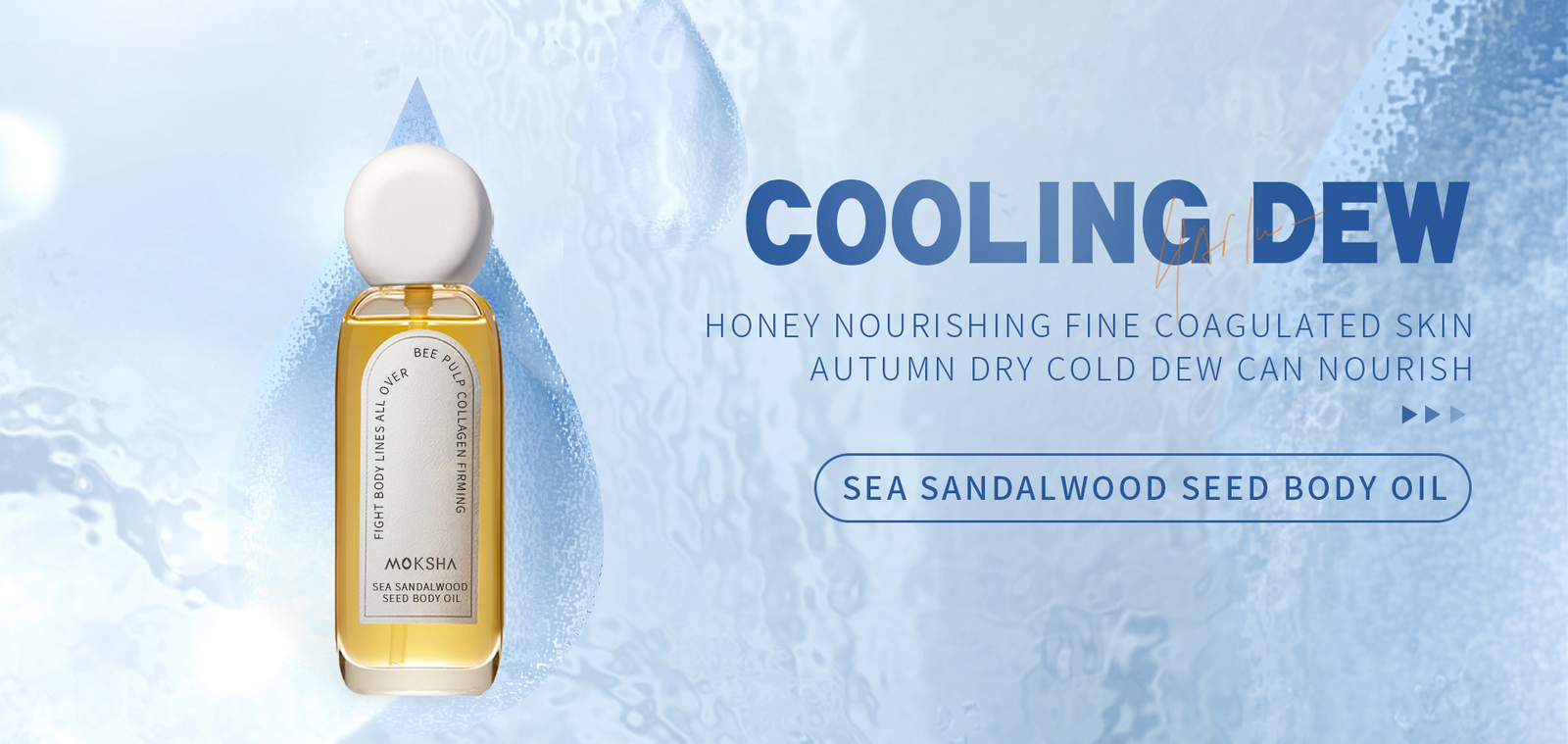
Secondly, the body care category holds equal importance, encompassing body lotions, shower gels, and bath products. As consumers increasingly prioritize personal care, the body care market is experiencing rapid growth. Skincare OEM manufacturers must develop formulations for this category that meet diverse needs while ensuring product safety and efficacy.
Lip care is another key area, with product lines including lip balms, lipsticks, lip glosses, and lip liners. As fashion trends evolve and popular lipstick shades and skin tones shift, cosmetics manufacturers must keep pace with these changes, offering nourishing products that cater to consumers’ individual preferences.
Finally, the cosmetics industry encompasses a wide range of products from foundation to eyeshadow and blush, with consumer demands constantly evolving. Buyers now prioritize not only the visual appeal of packaging but also factors like durability and user experience. Therefore, contract manufacturers must focus on developing and producing high-quality color cosmetics to ensure customer satisfaction.
OEM International Cosmetics Demand for Facial Care Products
In recent years, demand for OEM skincare products has surged, particularly in categories such as face creams, serums, and masks. This trend reflects consumers’ sustained interest in high-quality skincare products and growing demand for innovative formulations. For cosmetics manufacturers, gaining deep insights into consumer needs and market dynamics will directly impact their sales performance within the industry.
First, face cream is an indispensable component of daily skincare routines. Original equipment manufacturers primarily focus on providing formulations with nutritional and functional benefits, similar to supplements. Consumers increasingly prefer creams that effectively address specific skin concerns, such as anti-aging, hydration, and repair. This demands cosmetic contract manufacturers possess flexible production capabilities to swiftly adjust formulations in response to market trends and diverse customer demands.
Secondly, OEM demand for serums continues to grow, particularly for formulations rich in active ingredients. The success of such products often hinges on the combination of effective ingredients and formulation stability, placing extremely high demands on cosmetic processing technology. Therefore, cosmetic manufacturers must increase R&D investment, enhance product quality, and ensure a reliable supply of alternative serums.
Finally, as a popular choice for quick skincare solutions, demand for OEM mask production continues to grow. Consumers seek functionality, emphasizing the convenience and instant results of masks. Against this backdrop, cosmetic contract manufacturers must swiftly grasp market dynamics to achieve product innovation and upgrades, such as launching masks with specific benefits or unique ingredients.
In summary, the sustained growth in demand for OEM skincare products reflects consumers’ increasing desire for personalized and professional skincare solutions. Cosmetics manufacturers must proactively respond to market shifts and continuously elevate product quality and service standards to maintain a competitive edge.
OEM International Cosmetics Demand for Body Care Products
As a vital segment of the cosmetics industry, demand for OEM body care products has surged in recent years, encompassing a wide range of items such as shower gels, body lotions, and hand creams. These products not only meet consumers’ daily personal care needs but also reflect evolving market trends and shifting consumer preferences.
When engaging in cosmetic OEM manufacturing, the primary challenge for companies is effectively meeting the nutritional needs of consumer groups. Many firms are committed to offering premium body care products containing natural ingredients, necessitating OEM services with flexible production capabilities and diverse raw material options. Furthermore, environmental sustainability has become a priority for an increasing number of brands, driving cosmetic manufacturers to adopt green production practices and provide customers with market-aligned products.
Meanwhile, brand strategy for body care products remains a key consideration when selecting OEM partners. Amid fierce competition among the four major brands, possessing unique product formulations and delivering premium care experiences remain crucial means of attracting consumers. Consumers typically favor collaborating with cosmetic manufacturers offering personalized customization services, thereby driving the launch of signature products aligned with brand positioning. This approach effectively meets consumers’ growing demands for quality and individuality.
Throughout the entire process, addressing customer pain points is crucial, such as concerns over product safety, efficacy, and production efficiency. By leveraging key data obtained through market research, OEM manufacturers can better design and produce skincare products that meet market demands, thereby enhancing customer confidence and satisfaction to achieve mutually beneficial collaboration.
OEM International Cosmetics Demand for Lip Care Products
In recent years, lip care products such as lipstick and lip balm have garnered significant attention in the market. Consumer demand for these items has gradually shifted from prioritizing portability and practicality to viewing them as core components of daily skincare routines. With the ongoing development of the beauty industry and the widespread adoption of cosmetic contract manufacturing services—particularly in the lip care sector—consumers often face numerous challenges when selecting cosmetic manufacturers.
First, consumers are increasingly concerned about the ingredients in lip care products, particularly favoring natural and organic components. Clients seek partnerships with cosmetic contract manufacturers that offer safe, effective formulations aligned with market trends. Therefore, cosmetic processing companies must provide more diverse solutions in raw material selection to meet consumers’ varied demands.
Secondly, product innovation and uniqueness remain core considerations for clients. In a fiercely competitive market environment, skincare OEM companies must continuously launch innovative products and provide customized services to help clients develop differentiated lip care products. Additionally, formulating effective marketing strategies is crucial. As cosmetics manufacturers, they should offer clients comprehensive support encompassing thorough market analysis and promotional recommendations to help them successfully expand their market presence.
In summary, demand for OEM lip care products is growing rapidly, with customers increasingly prioritizing product quality, ingredient safety, innovation capabilities, and marketing support. To meet these demands, cosmetic contract manufacturing and processing services must proactively collaborate closely with clients to jointly develop high-quality products that align with market needs.
Market Potential of Cosmetic OEM Products
The cosmetics market has recently demonstrated significant growth momentum, with demand for color cosmetics OEM (Original Equipment Manufacturing) showing particularly strong expansion. As consumer aesthetic preferences and usage habits evolve, market demand for personalized and professional color cosmetics continues to rise. This presents favorable market opportunities for cosmetics manufacturers, and entering the color cosmetics OEM sector has become an emerging industry trend.
First, the new generation of young consumers increasingly favors products that express individuality and unique style when selecting cosmetics. Therefore, contract manufacturing services for skincare and cosmetics must not only meet basic functional requirements but also emphasize innovation in product design and packaging. Through close collaboration with clients, cosmetic manufacturers can gain insights into consumer preferences and promptly develop new products that align with market demands.
Secondly, within the cosmetics industry, the concepts of environmental protection and sustainable development are gaining increasing prominence. Today, many consumers favor products containing natural ingredients, presenting new challenges for cosmetic manufacturers. Consequently, cosmetics producers must carefully consider the rigorous selection of raw materials and adhere to environmental requirements throughout the entire production process, inevitably facing stringent regulatory demands and consumer expectations.
Furthermore, developing key positioning strategies tailored to different markets and consumer segments is crucial. As a cosmetics contract manufacturer, effectively responding to market shifts through market research and data analysis—gaining deep insights into regional and consumer demands—will enhance a company’s competitive edge. Ultimately, the success of a cosmetics contract manufacturing project hinges on accurately assessing market potential and effectively implementing corresponding strategies.
Summary and Outlook
In recent years, the contract manufacturing industry for imported cosmetics has continued to develop. Clients seeking skincare and cosmetic contract manufacturing services face order challenges, including product costs, quality control, and shifting market demands. To adapt to ongoing changes, companies must focus on clients’ genuine needs while maintaining flexibility in product development and marketing strategies.
First, consumer demand for cosmetics has grown significantly, with consumers not only seeking efficacy but also placing greater emphasis on ingredient safety and environmental sustainability. The importance of cosmetic manufacturers providing high-quality raw materials to their customers has become increasingly prominent, driving market focus toward natural and health-conscious products. As consumers deepen their understanding of such products, transparency and brand credibility have emerged as critical selection criteria.
Secondly, the OEM market for imported cosmetics may increasingly prioritize customized services in the future. When selecting efficient partners, companies must not only comprehensively evaluate their production capabilities but also ensure flexibility during the R&D and packaging design phases. Simultaneously, the technical success rate and innovation capabilities of partners are crucial. Through close collaboration, companies can develop products that better align with market demands, thereby enhancing their competitiveness.
In the future, establishing robust partnerships between companies and their OEM partners will become the prevailing trend. By addressing market competition and building enduring collaborative relationships, both parties can integrate resources, expand market reach, and drive technological innovation. This enables them to tackle challenges together and achieve mutual benefits. In summary, the future of cosmetics manufacturing and R&D will increasingly depend on rigorous cooperation and enduring trust.



暂无评论