



27 Jan Unlock Your Brand’s Potential: 15 Secrets to Stunning Private Label Cosmetics!
Unlock Your Brand’s Potential: 15 Secrets to Stunning Private Label Cosmetics!
In the dynamic world of beauty, launching your own cosmetic line can feel like navigating a labyrinth. But what if you could leverage the expertise of seasoned manufacturers to bring your vision to life, without the immense overhead of developing everything from scratch? This is the power of private label cosmetics. It’s a strategic pathway for brands to expand their offerings, enter new markets, and ultimately, connect with their audience on a deeper level.
For European and American brands, the private label model offers a unique opportunity to blend your established brand identity with high-quality, market-ready products. It’s about smart growth, capitalizing on existing manufacturing prowess while infusing your unique brand narrative.
Let’s dive into the secrets that will help you unlock your brand’s potential with stunning private label cosmetics.
The Foundation: Understanding Private Label Cosmetics
Before we uncover the secrets, let’s clarify what private label means in this context. It involves a manufacturer producing cosmetic products that your brand then purchases, labels with your own brand name, and sells. This differs from white label, where a product is generic and sold to multiple brands. Private label often implies a degree of customization or a specific formulation developed for you.
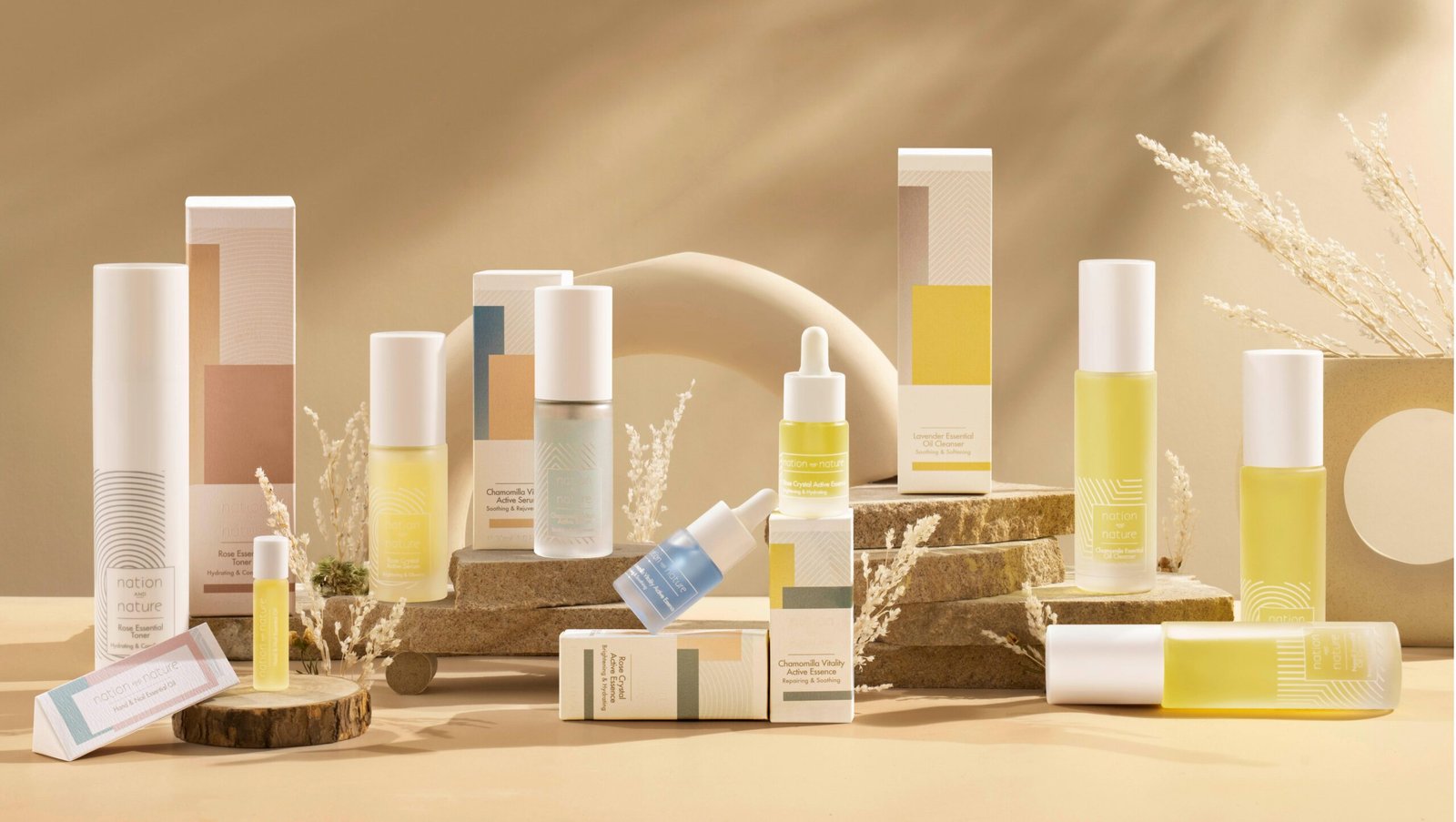
15 Secrets to Stunning Private Label Cosmetics
Here are the key strategies to ensure your private label venture is a resounding success:
- Define Your Niche and Target Audience: Who are you selling to? What are their needs, desires, and pain points? A clear understanding here will guide every product selection and marketing decision.
- Research Trending Ingredients and Formulations: Stay ahead of the curve. What are consumers asking for? Look into emerging ingredients, sustainable formulations, and innovative textures.
- Prioritize Quality Over Quantity: It’s better to have a few exceptional products than a vast array of mediocre ones. Your brand’s reputation hinges on the quality of what you sell.
- Thoroughly Vet Potential Manufacturers: This is non-negotiable. Look for manufacturers with certifications (e.g., ISO, GMP), a solid track record, and transparent processes.
- Request and Test Samples Rigorously: Never proceed without hands-on testing. Assess texture, scent, performance, packaging integrity, and overall user experience.
- Understand Packaging Options and Sustainability: Packaging is your first impression. Explore options that align with your brand aesthetic and consider eco-friendly materials to appeal to conscious consumers.
- Develop a Strong Brand Story for Each Product: Even with private label, your brand’s narrative is paramount. How does this product fit into your overall brand ethos and resonate with your customers?
- Optimize Your Product Descriptions for SEO: Use keywords your target audience is searching for. Highlight benefits, ingredients, and unique selling propositions clearly and concisely.
- Leverage High-Quality Product Photography: Professional, lifestyle-oriented imagery is crucial for online sales and social media engagement.
- Create a Seamless E-commerce Experience: From website navigation to checkout, ensure the customer journey is smooth, intuitive, and reflects your brand’s sophistication.
- Implement a Robust Customer Service Strategy: Be prepared to handle inquiries, feedback, and potential issues promptly and professionally.
- Utilize Social Media for Brand Building and Promotion: Showcase your products, share user-generated content, and engage with your community.
- Consider Influencer Marketing: Partner with relevant influencers who genuinely align with your brand values to reach a wider, engaged audience.
- Gather and Act on Customer Feedback: Reviews and testimonials are gold. Use them to refine existing products and inform future private label selections.
- Plan for Scalability and Future Product Development: As your brand grows, so should your private label strategy. Think about how you can expand your product line over time.
Key Considerations for Private Label Success
To further illustrate the strategic thinking involved, let’s break down critical areas.
| Aspect | Key Considerations |
|---|---|
| Product Selection | Aligning with brand identity, market demand, trending ingredients, formulation innovation, and ethical sourcing. |
| Manufacturer Vetting | Certifications (GMP, ISO), production capacity, quality control measures, lead times, communication transparency, minimum order quantities (MOQs), and ethical labor practices. |
| Product Development | Customization options, formulation uniqueness, performance testing, stability testing, and compliance with regional regulations (e.g., EU cosmetic regulations, FDA guidelines). |
| Branding & Packaging | Brand aesthetic consistency, material quality, sustainability impact, regulatory labeling requirements, and shelf appeal. |
| Marketing & Sales | SEO optimization for product pages, high-quality visual content, compelling product descriptions, social media strategy, influencer collaborations, email marketing, and customer service excellence. |
| Logistics & Supply Chain | Lead times from production to delivery, inventory management, warehousing, shipping carriers, and potential for global distribution. |
| Legal & Compliance | Ingredient restrictions, prohibited substances, labeling laws, claims substantiation, and intellectual property considerations. |
Unlock Your Brand’s Potential: 15 Secrets to Stunning Private Label Cosmetics! FAQ
Q1: How do I choose the right private label manufacturer for my cosmetic brand? A1: Selecting the right manufacturer is paramount. Begin by thoroughly researching potential partners, looking for those with established reputations, relevant certifications (such as GMP or ISO), and a transparent production process. Request detailed information about their quality control measures, minimum order quantities (MOQs), and lead times. Always ask for and rigorously test product samples to assess formulation quality, texture, scent, and performance before committing. Excellent communication and a willingness to collaborate are also vital indicators of a good fit.
Q2: What are the most important factors to consider regarding product formulation when using a private label service? A2: When considering product formulations, prioritize alignment with your brand’s core values and target audience’s needs. Research trending ingredients and innovative formulations that offer a competitive edge, but ensure they are also backed by scientific efficacy. It’s crucial that the formulations you choose are stable, safe, and compliant with the regulatory standards of your target markets (e.g., EU cosmetic regulations or FDA guidelines). Don’t shy away from requesting modifications or specific ingredient inclusions if they enhance the product’s appeal and performance for your brand.
Q3: How can I ensure my private label cosmetics stand out in a crowded market? A3: Differentiation is key. Beyond the product itself, focus on building a compelling brand narrative that resonates with your target demographic. Invest in unique, high-quality packaging that reflects your brand’s aesthetic and sustainability commitments. Develop meticulously crafted product descriptions that highlight benefits, key ingredients, and unique selling propositions, optimized for search engines. High-quality, professional product photography and engaging social media content will also be critical in capturing consumer attention and building brand loyalty.
Q4: What is the typical timeline from deciding on a private label product to having it ready for sale? A4: The timeline for private label cosmetics can vary significantly based on several factors, including the complexity of the product, the manufacturer’s current production schedule, and the extent of any customization required. Typically, the process can range from 3 to 9 months, and sometimes longer. This includes time for manufacturer selection, sample testing and approval, formulation adjustments, packaging design and procurement, production, quality control checks, and finally, shipping. Clear communication and efficient decision-making on your part can help streamline this process.
Q5: How do I navigate the legal and regulatory requirements for selling private label cosmetics in different regions, such as the US and EU? A5: Navigating international regulations is a critical step. For the EU, this involves ensuring compliance with the EU Cosmetics Regulation (EC) No 1223/2009, which includes requirements for a Cosmetic Product Safety Report (CPSR), ingredient disclosure (INCI list), and adherence to specific labeling standards. In the US, the FDA regulates cosmetics under the Federal Food, Drug, and Cosmetic Act and the Fair Packaging and Labeling Act, focusing on safety, proper labeling, and preventing misleading claims. It is highly recommended to work with manufacturers experienced in global compliance or to consult with regulatory experts to ensure all products meet the specific legal frameworks of your intended markets, including ingredient restrictions, claim substantiation, and detailed labeling requirements.
No Comments