


 Sérum corporel éclaircissant et adoucissant à la niacinamide
 Hydra Nourishing Sunscreen Lotion-Moksha

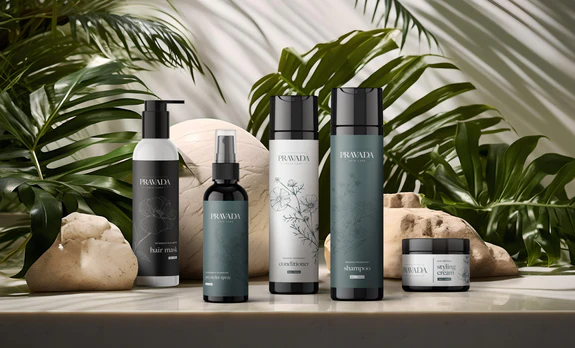
21 Jan Unlock Your Brand’s Next Big Skincare Success: 7 Secrets Revealed!
Unlock Your Brand’s Next Big Skincare Success: 7 Secrets Revealed!
In the dynamic world of skincare, staying ahead of the curve isn’t just an advantage – it’s a necessity. For two decades, I’ve navigated the ever-evolving landscape of search engine optimization, and for the past ten years, I’ve specialized in helping skincare brands like yours achieve remarkable online visibility and, more importantly, real-world success. The digital realm is a crowded marketplace, but with the right strategy, your brand can not only stand out but truly shine.
This isn’t about quick fixes or temporary boosts. This is about building sustainable growth, connecting with your target audience on a deeper level, and ultimately, unlocking your brand’s next big skincare success. Today, I’m pulling back the curtain on seven powerful secrets that have consistently driven results for top-tier skincare brands. Get ready to transform your online presence and elevate your brand’s authority.
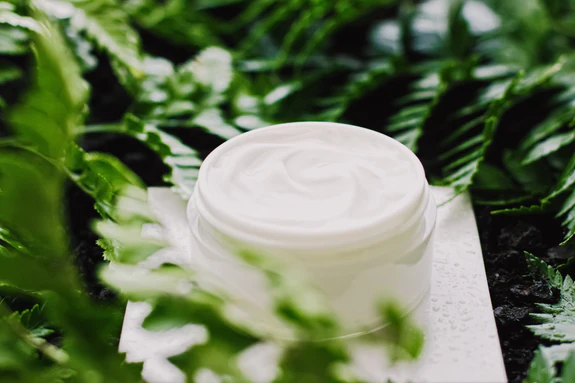
Secret 1: Deep Dive into Localized Keyword Strategy
The first, and arguably most foundational, step to unlocking success is understanding what your local audience is actually searching for. Gone are the days of generic keyword stuffing. True SEO success lies in granular, localized keyword research. This means going beyond broad terms and identifying the specific language, pain points, and product desires of consumers in your target regions.
Think about it: someone in a bustling metropolis might search for “acne treatment for oily skin city name,” while someone in a drier climate might be looking for “hydrating serum for dry winter skin region name.” These nuances are critical. We’re not just targeting search engines; we’re speaking directly to potential customers in their own language.
Our approach involves:
- Geographic-Specific Terminology: Identifying slang, local brand mentions, and regional skincare concerns.
- Problem-Based Queries: Understanding the specific skin issues your local audience faces (e.g., “managing rosacea in humid weather,” “reducing sun spots in coastal areas”).
- Competitor Analysis (Local): Observing what keywords your direct local competitors are ranking for and identifying gaps.
- Community Forum & Social Listening: Monitoring local Facebook groups, Reddit threads, and Instagram comments for authentic conversations about skincare needs.
By integrating these localized keywords naturally into your website content, product descriptions, blog posts, and even meta tags, you signal to search engines that your brand is relevant to users in that specific area. This isn’t just about ranking higher; it’s about attracting qualified leads who are genuinely interested in what you offer.
Secret 2: Showcase Product Parameters with Unwavering Clarity
In the skincare industry, trust is paramount. Consumers are more discerning than ever, scrutinizing ingredient lists, understanding product formulations, and seeking transparency. Your product parameters aren’t just technical details; they are your brand’s promise to the customer. Presenting them clearly, concisely, and professionally builds that crucial trust and demonstrates your commitment to quality.
This is where strategic use of lists and tables becomes invaluable. It transforms dense information into easily digestible formats, allowing potential customers to quickly assess suitability and efficacy.
Let’s illustrate with an example of how we might present a flagship serum, the “Radiance Revitalizing Serum”:
Product Name: Radiance Revitalizing Serum
Target Concerns: Dullness, Uneven Skin Tone, Fine Lines, Dehydration
Key Ingredients & Their Benefits:
- Hyaluronic Acid (Low & High Molecular Weight): Provides multi-level hydration, plumping the skin and reducing the appearance of fine lines.
- Vitamin C (3-O-Ethyl Ascorbic Acid): A stable, potent antioxidant that brightens skin, fades dark spots, and boosts collagen production.
- Niacinamide (Vitamin B3): Minimizes pore appearance, regulates oil production, and strengthens the skin barrier.
- Ferulic Acid: Enhances the stability and efficacy of Vitamins C and E, offering powerful antioxidant protection.
- Green Tea Extract: Soothes inflammation and provides additional antioxidant benefits.
Full Ingredient List: Aqua (Water), Propanediol, 3-O-Ethyl Ascorbic Acid, Sodium Hyaluronate, Hydrolyzed Hyaluronic Acid, Niacinamide, Glycerin, Camellia Sinensis Leaf Extract, Ferulic Acid, Tocopherol, Xanthan Gum, Citric Acid, Phenoxyethanol, Ethylhexylglycerin.
Product Specifications:
| Parameter | Detail |
|---|---|
| Volume | 30 ml (1 fl oz) |
| Formulation | Lightweight, fast-absorbing serum |
| pH Level | 5.0 – 5.5 |
| Fragrance | Fragrance-free |
| Color | Naturally derived from ingredients |
| Texture | Silky, non-greasy |
| Skin Type Suitability | All skin types, including sensitive |
| Dermatologist Tested | Yes |
| Cruelty-Free | Yes |
| Vegan | Yes |
| Paraben-Free | Yes |
| Sulfate-Free | Yes |
| Phthalate-Free | Yes |
By presenting your product parameters in such a structured and detailed manner, you not only answer potential customer questions proactively but also establish your brand as knowledgeable and transparent. This builds confidence and significantly shortens the sales cycle.
Secret 3: Leverage User-Generated Content (UGC) and Local Influencers
Authenticity reigns supreme. In today’s digital age, consumers trust peer recommendations and real-life experiences far more than traditional advertising. User-generated content (UGC) – reviews, testimonials, social media posts, and before-and-after photos – is your most powerful social proof.
However, to truly Unlock Your Brand’s Next Big Skincare Success: 7 Secrets Revealed!, we need to amplify this authenticity with strategic collaborations. Partnering with local micro-influencers and nano-influencers who genuinely align with your brand values can introduce your products to highly engaged, relevant audiences. These individuals often have a more personal connection with their followers, making their endorsements feel like recommendations from a trusted friend.
How to effectively integrate UGC and local influencers:
- Run UGC Campaigns: Encourage customers to share their experiences using a branded hashtag. Offer incentives like discounts or features on your social media.
- Showcase Reviews Prominently: Integrate customer reviews directly onto product pages. Consider a dedicated “Reviews” or “Testimonials” section on your website.
- Identify Local Micro-Influencers: Search social media for creators in your geographic target areas who focus on skincare, beauty, or lifestyle and have a modest but engaged following.
- Build Genuine Relationships: Don’t just send free products. Collaborate on content, invite them to local events, and foster a long-term partnership.
- Track & Measure: Monitor the reach, engagement, and conversions generated from influencer campaigns and UGC.
The visual evidence of satisfied customers and the endorsement from relatable local personalities are invaluable assets that speak volumes more than any marketing copy alone.
Secret 4: Optimize for “Near Me” and Local Search Intent
This secret ties directly back to Secret 1 but focuses on a specific, high-intent search behavior: the “near me” phenomenon. When consumers are ready to buy, they often search for “skincare clinics near me,” “best facial spas in [city name],” or even “buy [specific product] near me.” For brands with physical locations or a strong retail presence, optimizing for these searches is non-negotiable.
Key strategies for “Near Me” optimization:
- Google Business Profile (GBP) Mastery: This is your digital storefront. Ensure your GBP listing is fully optimized with accurate business hours, address, phone number, photos, and services. Encourage customer reviews on your GBP.
- Location-Based Keywords: As mentioned before, integrate your city, neighborhood, and local landmarks into your website content and meta descriptions.
- Local Schema Markup: Implement structured data markup on your website to help search engines understand your business’s location, hours, and services more effectively.
- Local Citations: Ensure your business name, address, and phone number (NAP) are consistent across all online directories and platforms (Yelp, local business listings, etc.).
- Mobile-First Approach: Most “near me” searches happen on mobile devices. Your website must be fully responsive and load quickly on smartphones.
By ensuring your brand appears prominently in local search results, you capture customers who are actively looking to make a purchase in your vicinity, significantly boosting conversion rates.
Secret 5: Develop a Content Hub Focused on Localized Skincare Education
Beyond product promotion, your brand can become an indispensable resource for local consumers by creating a robust content hub. This involves developing high-quality, educational content that addresses the specific skincare challenges and questions prevalent in your target regions.
Think of your blog, resources section, or educational portal as the go-to place for all things skincare, tailored to your audience’s needs.
Content ideas that resonate locally:
- “Your Skin’s Best Defense Against [Local Environmental Factor]”: For example, “Your Skin’s Best Defense Against Coastal Salinity” or “Managing Pollution-Induced Breakouts in Urban Centers.”
- “Seasonal Skincare Guide for [Your City/Region]”: Tailoring advice for the unique climate shifts your audience experiences.
- “Understanding and Treating [Common Local Skin Concern]”: If a particular skin condition is prevalent in your area, become the authority on its treatment.
- Interviews with Local Dermatologists or Estheticians: Partnering with local beauty professionals adds credibility and a local touch.
- “Decoding Ingredient Labels for [Local Climate]”: Helping consumers make informed choices based on their environment.
This content strategy serves multiple SEO purposes:
- Attracts Organic Traffic: Provides valuable information that users are searching for, bringing them to your site.
- Builds Brand Authority: Positions your brand as a knowledgeable leader in the skincare space.
- Improves Dwell Time & Reduces Bounce Rate: Engaging content keeps visitors on your site longer.
- Generates Backlinks: High-quality content is more likely to be linked to by other websites.
By consistently providing valuable, localized educational content, you not only attract potential customers but also nurture them into loyal brand advocates.
Secret 6: Embrace Data-Driven Personalization
The modern consumer expects personalized experiences. In skincare, this means understanding individual skin types, concerns, and preferences. Leveraging data to personalize your website, email marketing, and even product recommendations can significantly enhance customer engagement and drive conversions.
How to implement data-driven personalization:
- Website Quizzes & Assessments: Implement interactive quizzes that help users identify their skin type and recommend suitable products.
- Behavioral Tracking: Analyze how users navigate your website. What products do they view? What content do they engage with?
- Email Segmentation: Segment your email list based on past purchases, quiz results, or engagement history to send targeted, relevant campaigns.
- Personalized Product Recommendations: Use algorithms or past behavior data to suggest products that are most likely to appeal to individual customers.
- Dynamic Website Content: Tailor banners, promotions, and even product showcases based on user demographics or browsing history.
For example, if a user from a consistently sunny region frequently browses sunscreens and vitamin C serums, you can dynamically showcase new arrivals or bundles related to sun protection and brightening. This level of personalization makes customers feel understood and valued, fostering loyalty and repeat purchases.
Secret 7: Optimize for Voice Search and Conversational Queries
Voice search is no longer a futuristic concept; it’s a rapidly growing segment of online search. As more people use smart speakers and voice assistants, optimizing your content for conversational queries is crucial for capturing this audience.
Voice searches tend to be longer, more natural, and question-based. Think about how people actually speak:
- Instead of: “best serum for dry skin”
- People say: “Hey Google, what’s the best serum for very dry skin that doesn’t feel greasy?”
Strategies for voice search optimization:
- Focus on Long-Tail Keywords: These are the longer, more specific phrases people use in natural conversation.
- Answer Questions Directly: Structure your content to directly answer common questions. FAQ sections are excellent for this.
- Use Conversational Language: Write content that mirrors natural speech patterns.
- Optimize for Featured Snippets: Aim to have your content appear in Google’s featured snippets, as these are often read aloud by voice assistants.
- Structured Data: As mentioned in Secret 4, structured data helps search engines understand your content better, which is beneficial for voice search queries.
By anticipating how people speak their skincare needs, you ensure your brand is discoverable not just through typing but also through the spoken word.
Frequently Asked Questions (FAQ)
Q1: How can I ensure my product information is both detailed and easily scannable for potential customers, especially on mobile devices?
A1: The key is to use a multi-pronged approach that prioritizes clarity and visual organization. Start by clearly defining the core benefits and target concerns at the top of your product description. Utilize concise bullet points for listing key ingredients and their primary functions. For comprehensive technical specifications like pH levels, volume, and formulation types, implement well-formatted tables. These tables should be responsive, meaning they adapt to smaller screens without losing readability. Bold key terms within descriptions to draw the eye. Furthermore, ensure your website design incorporates ample white space and uses clear, legible fonts. For mobile users, consider implementing expandable sections (accordions) for less critical details, allowing them to delve deeper only if they choose, keeping the initial view clean and focused.
Q2: What are the most effective ways to encourage and leverage user-generated content (UGC) that specifically appeals to a local audience and builds trust for a skincare brand?
A2: To effectively encourage and leverage UGC for a local audience, focus on authenticity and community engagement. Initiate branded hashtag campaigns that encourage customers to share their results, perhaps tied to a local event or season relevant to your region. Run contests or offer exclusive discounts for customers who post reviews or photos using your products, especially if they tag your brand and mention their local area. Actively engage with this content by liking, commenting, and resharing genuine testimonials on your own platforms; this shows appreciation and amplifies their reach. Partner with local micro-influencers or community figures who genuinely use and love your products. Their authentic endorsements to their local follower base can be far more impactful than paid advertisements. Finally, prominently display UGC—customer photos, reviews, and testimonials—on your website’s product pages and dedicated sections. This social proof directly addresses potential customers’ concerns by showing real people with similar backgrounds experiencing positive results.
Q3: How can my skincare brand effectively optimize for “near me” searches and local intent, especially if I have multiple physical locations or a strong retail distribution network?
A3: Optimizing for “near me” searches requires a dedicated local SEO strategy. First and foremost, ensure your Google Business Profile (GBP) is meticulously maintained for each of your physical locations. This includes accurate business name, address, phone number (NAP), precise operating hours, service areas, high-quality photos of your storefronts and interiors, and a comprehensive list of services offered. Encourage customers to leave reviews on your GBP, as positive reviews significantly impact local rankings. Implement local schema markup on your website to help search engines understand your business’s location, services, and contact information more effectively. Maintain consistent NAP information across all online directories and citation sites relevant to your industry and region. For your website content, strategically incorporate location-specific keywords throughout your service pages, blog posts, and meta descriptions, such as “[Your City] skincare clinic” or “best facial treatments in [Neighborhood Name].” Finally, ensure your website is mobile-responsive and loads quickly, as the majority of “near me” searches originate from mobile devices.
Conclusion
Unlocking your brand’s next big skincare success is a journey, not a destination. It requires a strategic blend of deep market understanding, transparent product showcasing, authentic community building, and cutting-edge digital practices. By implementing these seven secrets – from localized keyword mastery and clear parameter presentation to leveraging UGC, embracing personalization, and optimizing for modern search behaviors – you can forge a powerful online presence that resonates with your target audience and drives sustainable growth.
The beauty industry is constantly evolving, and so too must our strategies. Invest in these principles, adapt them to your unique brand identity, and watch your skincare success flourish.

Sans commentaires