




21 Jan If you’re currently working on a makeup brand project, you’ve likely already fallen into this trap.
Market Background and Current Status
In recent years, the cosmetics market has experienced remarkable growth, particularly driven by social media platforms that have shaped new consumption patterns. TikTok, as an emerging platform, has not only transformed how users access information but also rapidly influenced consumers’ beauty preferences. Market research indicates that the global color cosmetics market reached $80 billion in 2023, with an annual growth rate exceeding 6%. This phenomenon is primarily attributed to the expansion of younger consumer demographics, particularly Gen Z and Millennials, who increasingly turn to platforms for beauty inspiration and engage in discussions.
Against this backdrop, TikTok’s rise undoubtedly presents both opportunities and challenges for makeup brands. Short-form video content attracts massive audiences through its visual appeal and interactivity, while its rapid dissemination makes overnight product fame a common occurrence. Simultaneously, makeup brands must adapt to this new format, capturing audience attention through creative and authentic content. Data reveals that over 60% of users express purchase intent after watching beauty-related videos, highlighting short-form video’s direct impact on sales.
In terms of user demographics, young women remain the primary consumer group in the color cosmetics market, but male consumers are also beginning to emerge. According to surveys, nearly one-third of men also use color cosmetics, creating diverse market demands. This diversity extends beyond gender to encompass different skin tones, skin types, and styles, prompting brands to place greater emphasis on product personalization and diversification.
In summary, for cosmetics brands to succeed in the current market environment, they must gain a deep understanding of the market context, stay attuned to TikTok trends, and possess the flexibility to adapt to change. When developing products and marketing strategies, brands need to prioritize the preferences and trends of their target audience to achieve sustainable growth.
The Power of TikTok Live Streaming
In recent years, TikTok has emerged as a leading short-form video platform, amassing a massive user base particularly among younger demographics. For cosmetics brands, TikTok livestreaming has demonstrated unparalleled potential. This format not only enables real-time audience interaction but also leverages the platform’s unique algorithm to amplify brand messaging, rapidly boosting brand awareness and reputation.
Live streaming takes various forms, including product demonstrations, real-time makeup tutorials, and interactive Q&A sessions. These formats effectively engage target audiences and stimulate their purchasing desire. Compared to traditional advertising, TikTok live streams enable brands to showcase their products in a more approachable and dynamic environment. For instance, some successful makeup brands have partnered with renowned makeup artists or beauty influencers to demonstrate product application techniques and results through live streams, thereby rapidly gaining attention and market share.
In specific cases, some brands have seen single livestream viewership easily surpass ten thousand after collaborating with influencers, with some even reaching millions of viewers. Such viewership not only boosts brand awareness but also drives tangible sales growth. Furthermore, these livestream events strengthen trust between brands and consumers, making consumers more willing to try new products. Overall, TikTok livestreaming exerts significant influence on cosmetics brands’ marketing campaigns. It successfully blends entertainment with education, capturing the attention of young consumers.
Competitor Analysis
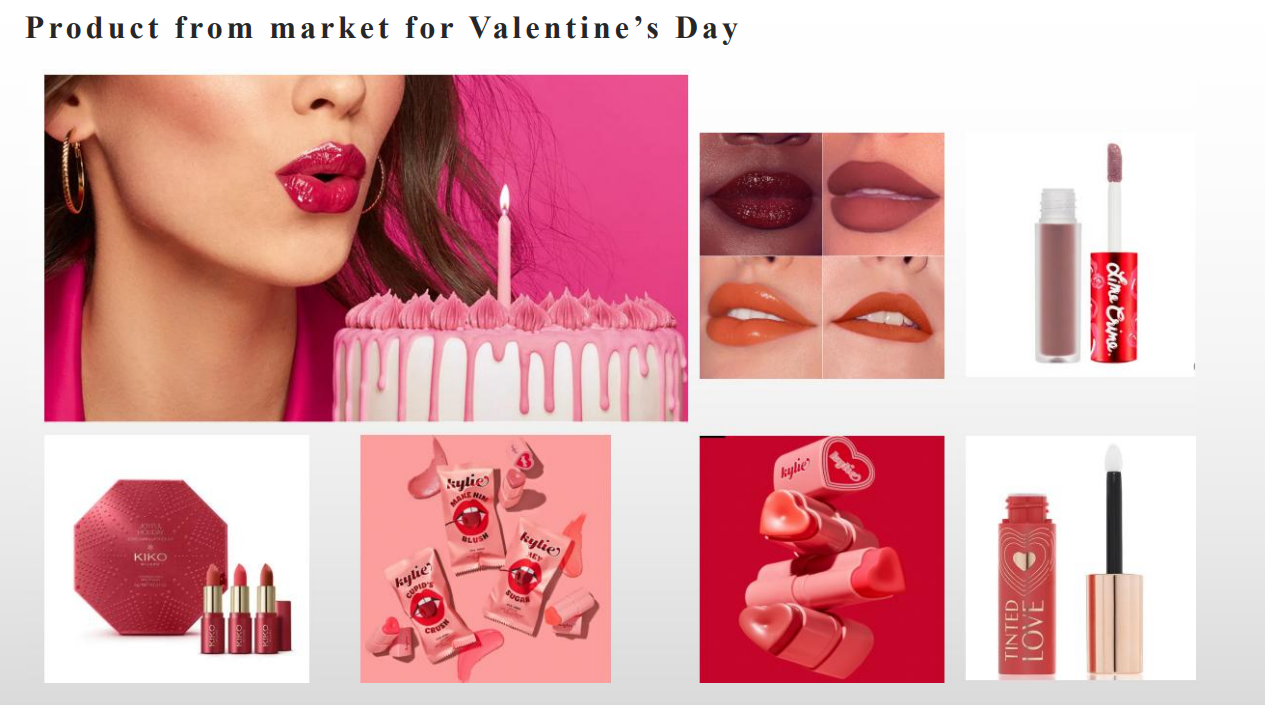
In today’s cosmetics market, particularly on social media platforms like TikTok, numerous makeup brands demonstrate formidable competitiveness. Mainstream brands such as Fenty Beauty, Rare Beauty, and e.l.f. Cosmetics have achieved remarkable success in digital marketing and user engagement through distinctive market strategies. Their triumph stems from in-depth analysis of target audiences and precise market positioning.
For example, Fenty Beauty has attracted a broad consumer base through its diverse shade range and inclusive brand image. On TikTok, the brand successfully built strong brand loyalty by collaborating with influencers on promotional campaigns. User-generated content (UGC) played a crucial role in this process, transforming consumers from mere spectators into active participants in brand advocacy, thereby enhancing brand trust.
Additionally, Rare Beauty fosters an emotional connection with consumers by encouraging them to embrace their unique beauty through its philosophy of “real beauty.” The brand’s hashtag challenges have sparked widespread discussions on TikTok, aiming to promote inclusivity and confidence in beauty. Its robust user engagement strategy has effectively boosted brand visibility and customer loyalty.
e.l.f. Cosmetics places greater emphasis on engaging with consumers through direct connections on TikTok, fostering close relationships with younger audiences. The brand frequently releases creative and entertaining short videos, encouraging users to participate in product challenges, thereby boosting brand awareness and sales. These strategies reflect the brand’s ability to adapt to evolving consumer demands and preferences within a dynamic market environment.
In summary, these brands active on TikTok have successfully distinguished themselves in a fiercely competitive market through precise market analysis, innovative marketing strategies, and robust user engagement, offering valuable insights for emerging makeup brands.
Common Misconceptions and Failure Cases
When launching a cosmetics brand project, novice entrepreneurs often encounter numerous pitfalls. If not promptly addressed, these mistakes can lead to project failure. First, overreliance on advertising is a common fallacy. While advertising can boost brand awareness, investing in campaigns without a deep understanding of the target market and its needs may not yield the desired results. Instead, greater emphasis should be placed on product quality and user experience to build a trustworthy brand image.
Secondly, neglecting user feedback is another major reason for the failure of makeup brands. Many entrepreneurs fail to effectively collect and analyze user feedback after launching their products, missing opportunities to improve their offerings and market positioning. Conducting regular user surveys and engaging with consumers through social media can help brands adjust their strategies promptly to meet market demands.
At the same time, some failed cases offer important cautionary lessons. For instance, a new cosmetics company made excessive claims about its products during its initial launch. When it failed to meet customer expectations, it received a flood of negative reviews and rapidly lost user trust. Another case involved a startup that launched multiple products without thorough market research. Ultimately, due to a lukewarm market response, it had to recall all its products.
These misconceptions stem from insufficient understanding of the market and inadequate attention to consumer needs. To avoid similar pitfalls, entrepreneurs should strengthen market research, gain insight into genuine consumer demands, enhance communication with users, and ensure every decision is data-driven and feedback-informed. Only through this approach can cosmetics brands achieve sustainable growth and establish enduring market positions.
User Behavior and Trend Analysis
In today’s digital age, consumer shopping behavior is undergoing significant changes, particularly on social media platforms like TikTok. This platform has not only become a vital source of visual content for young consumers but also subtly influences their purchasing decisions. Therefore, conducting an in-depth analysis of user behavior on this platform is crucial for cosmetics brands’ market strategies.
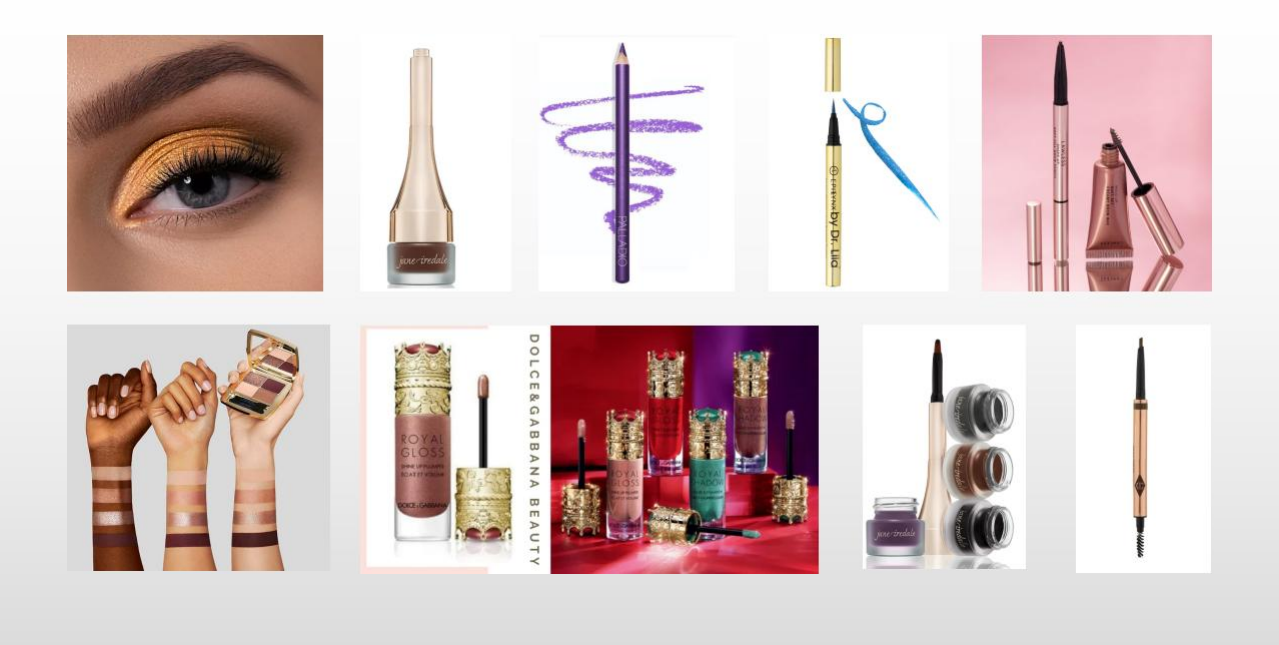
First, regarding the purchasing decision process, most TikTok users are drawn to the makeup products showcased while watching short videos. This visual appeal often sparks their desire to buy. Brands can study this process to discover content formats that better align with audience needs, such as tutorial videos, before-and-after comparisons, and live shopping streams. Simultaneously, given consumers’ pursuit of authenticity, user-generated content (UGC) plays a significant role in shaping their purchase intent. Authentic feedback from real users makes consumers more likely to make buying decisions.
Additionally, different content formats have varying impacts on users. Some users prefer watching concise and impactful unboxing videos, while others favor in-depth product reviews. When analyzing these trends, brands should precisely identify their target audience’s preferences to develop more compelling marketing strategies. For instance, conducting regular trend surveys to understand current makeup techniques and popular products can help formulate more effective content dissemination plans.
When conducting user behavior analysis, leveraging data analytics tools enables brands to extract valuable insights, enhance user experience, and ultimately drive sales growth. By monitoring and analyzing user activity on the TikTok platform, brands can better understand their target audience and develop corresponding strategies to capture their attention and loyalty.
Brand Positioning and Market Segmentation
In the cosmetics industry, brand positioning and market segmentation are key factors for success. First, defining brand positioning requires understanding your product’s uniqueness in the market and its target audience. This process begins with consumer profiling, where in-depth analysis of target consumers’ needs, preferences, and purchasing habits helps establish an appropriate direction for brand development.
Market segmentation refers to dividing a broad market into smaller, homogeneous consumer groups. By adopting this strategy, brands can more precisely meet the personalized needs of different consumers. For example, young women may have a particular fondness for colorful, fashion-forward products, while mature homebuyers may favor classic and high-quality cosmetics. Therefore, brands need to conduct regular market research, collect and analyze consumer data, in order to adjust their market segmentation strategy in a timely manner.
Additionally, when conducting brand positioning, companies must also consider the dynamics of market competition. Analyzing competitors’ strengths and weaknesses can help brands identify market gaps, thereby highlighting their uniqueness and competitiveness. Once brand positioning and target audience are established, companies should consistently implement positioning and segmentation through effective marketing strategies in product development and advertising campaigns, ensuring the brand image resonates deeply with consumers.
In summary, proper brand positioning and market segmentation will enable cosmetics brands to stand out in a competitive environment, effectively increase market share, and thereby achieve more sustainable commercial success.
Social Media Marketing Strategy
In today’s digital age, social media has become a vital platform for brand marketing, particularly for cosmetics brands. Harnessing the potential of social media can significantly boost product visibility and sales. Compared to traditional media, social media enables more direct and vivid interaction with consumers while attracting target audiences through creative content.
As a recently popular social media platform, TikTok offers innovative marketing opportunities for cosmetics brands through its short-form video format and young user base. First, brands can leverage trending challenges and trends to boost engagement. By creating relevant short videos that encourage users to participate and share their makeup techniques or results using brand products, companies can enhance user loyalty and brand affinity.
Additionally, leveraging TikTok’s algorithmic features, brands can rapidly expand their reach through compelling content. For instance, many users show exceptional interest in tutorial videos and makeup transformation videos. By creating such content, brands can showcase multiple product applications or styling techniques, thereby encouraging users to try and purchase the products.
Collaborating with popular influencers within the platform is also an effective strategy. These influencers possess a strong and loyal following, and their recommendations can accelerate brand awareness and credibility. Consider offering complimentary samples or appointing them as brand ambassadors to incentivize content creation and sharing of their experiences.
Finally, emphasize data tracking and analysis. After launching social media marketing campaigns, brands should place significant importance on data, analyzing which content types resonate most, how users engage, and conversion rates, thereby continuously refining future marketing strategies.
Future Trends Outlook
As the market continues to evolve and consumer demands gradually shift, the cosmetics industry faces new challenges and opportunities. Future trends will primarily center on the integration of digital technology and social media. This transformation not only drives brand innovation but also injects fresh vitality into industry growth.
Data indicates that an increasing number of consumers prioritize digital experiences when purchasing makeup products, such as using online makeup simulators to determine product suitability. This necessitates that makeup brands intensify their investments in technology and digital marketing. Additionally, the influence of social media platforms continues to grow, enabling brands to rapidly attract large audiences and enhance brand awareness through collaborations with influencers.
Recent market data indicates that user-generated content (UGC) is playing an increasingly vital role in consumer decision-making. Cosmetics brands can further enhance trust and brand loyalty by incentivizing users to share their experiences and results. Industry experts emphasize that prioritizing customer engagement will help brands establish a more solid foothold in the market.
Looking ahead, sustained technological innovation and a deep understanding of consumer psychology will be key to brand success. Brands that can adapt flexibly to market shifts and proactively adopt digital strategies are expected to gain a competitive edge. Therefore, players in the cosmetics industry should plan ahead and develop practical strategies to navigate the upcoming market transformations.

Summary and Action Recommendations
In this article, we delve into the risks and challenges that may arise during the establishment of a cosmetics brand. Whether it stems from misjudging market trends or failing to fully grasp the needs of the target customer base, these issues can lead to project failure. However, through systematic analysis and keen insight into market dynamics, we can better formulate countermeasures.
First, establishing a successful cosmetics brand requires precise market research. It is recommended to utilize methods such as surveys, focus groups, and social media analysis to capture the genuine needs and preferences of target consumers. This process not only helps you understand consumer perceptions and expectations but also provides a foundation for brand positioning.
Secondly, establishing a brand image is crucial. Cosmetics brands should convey a unique value proposition and brand narrative to ensure emotional resonance with consumers. Through high-quality visual design and consistent communication, the brand can stand out among numerous competitors.
Additionally, developing a clear marketing strategy is also key to success. Social media, KOL collaborations, and offline events are all effective promotional channels. Throughout the marketing process, focus on engaging with consumers, building strong customer relationships, and encouraging word-of-mouth promotion.
Finally, continuous product innovation and quality control are essential for a brand’s long-term success. Ensuring products meet market standards and undergoing regular updates helps brands maintain competitiveness. In summary, amid fierce market competition, careful strategic planning and execution will be key factors for cosmetics brands to stand out. May every reader draw inspiration from this and boldly take the first step toward success.


Sans commentaires