



Cosmetic Quality Control: What Happens to Your Batch
Quality is not a certificate on a wall — it is a sequence of gates a batch either passes or does not. This is the sequence your order goes through.
Table of Contents
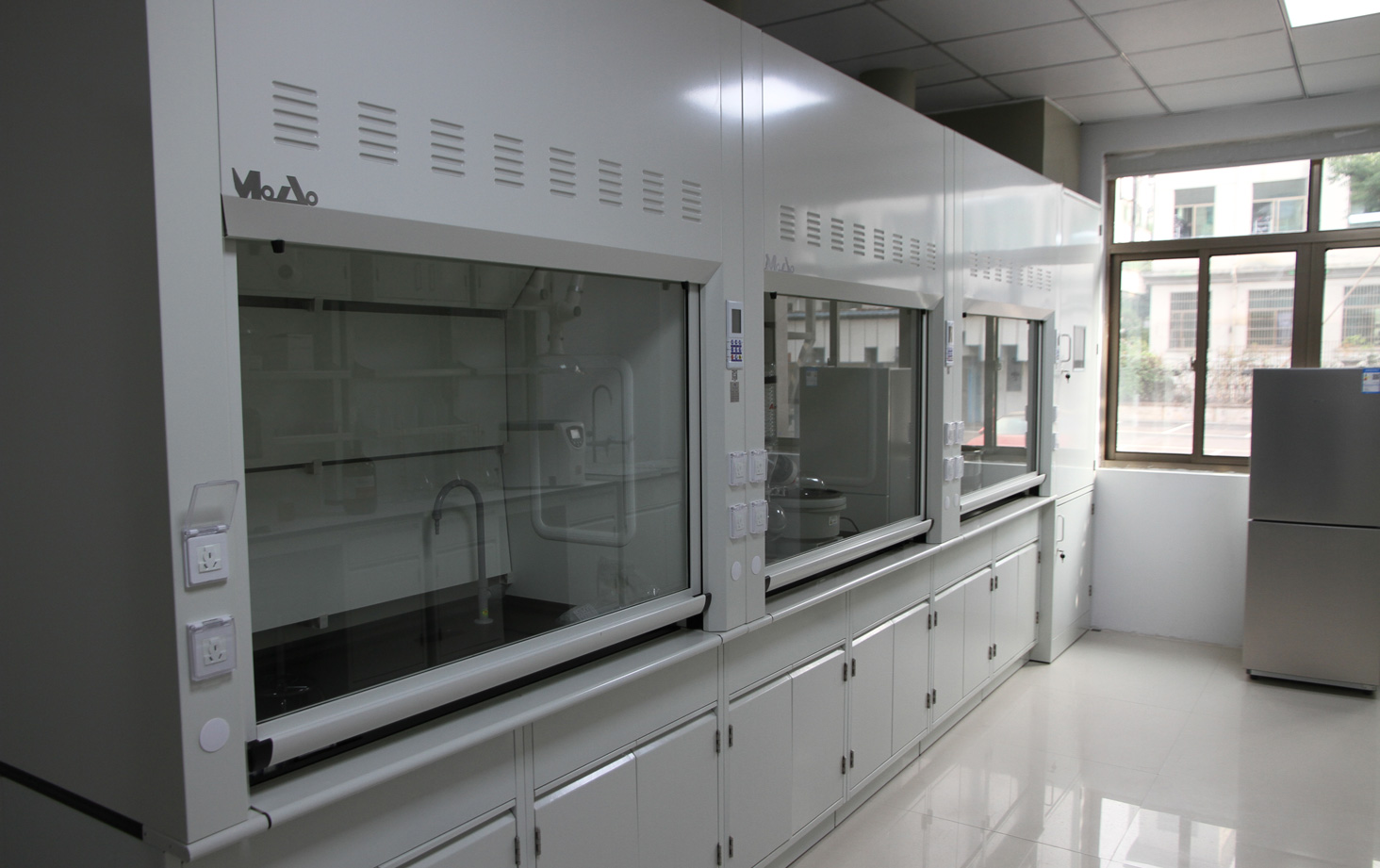
Four checkpoints
IQC — incoming material. Every raw material is checked against its specification and COA on arrival: identity, appearance, assay where relevant. A lot that does not match is rejected before it reaches the weighing room.
IPQC — in process. During mixing and filling: temperature, homogenisation time, pH, viscosity, fill weight and seal integrity are checked at defined intervals, not only at the end.
FQC — finished goods. The finished batch is sampled and tested against the specification before release. Nothing leaves the warehouse on a verbal approval.
Retention. A retained sample from every batch is stored for the full shelf life plus a year, so any claim can be traced back to physical evidence.
Tests run on every batch
| Test | Method | Acceptance |
|---|---|---|
| Appearance, colour, odour | Visual against retained standard | Matches approved sample |
| pH | Potentiometer | Formula specification ±0.3 |
| Viscosity | Brookfield, defined spindle and speed | Formula specification ±10% |
| Centrifugal stability | High-speed centrifugation | No separation or sedimentation |
| Microbiology | Standard plate count and pathogen screen | Within ISO 17516 limits |
| Net fill | Gravimetric on the line | At or above declared volume |
Tests run at development, not per batch
Heavy metals and microbiological challenge testing — performed on the formula and on packaging components at development stage.
Accelerated and real-time stability — 4–12 weeks accelerated at elevated temperature, with a real-time study running in the background.
Formula-to-pack compatibility — migration and absorption checks, plus pump and dropper durability.
Documentation you receive
A COA per batch with the actual measured values, not just a pass stamp.
An MSDS/SDS per formula in the 16-section format customs and warehouses expect.
A batch number printed on every unit and recorded against the retained sample, so a complaint can be traced to the exact run, line and shift.
When a batch fails
It is quarantined and cannot be released. The deviation is investigated, the root cause recorded, and the batch is either reworked under a documented procedure or rejected.
You are told before the shipment date, not after. A factory that hides a failed batch is a bigger risk than the failure itself.
Ask for a Sample COA & Batch Records
Related capability pages
Who performs cosmetic quality control on your batch
Cosmetic quality control is run by a separate QC unit — not the production team — so release decisions stay independent. Raw materials are quarantined until approved, and retained samples of every batch stay on file for the full shelf life.
Ask for the QC records in your batch documentation pack: every test result ties to the batch number printed on your cartons.
How a batch release decision is made
Release is a documented decision, not a gut call: the QC unit signs off against the master specification — appearance, viscosity or fill weight, pH, micro results — and only then does the batch leave quarantine.
Every measurement lands in the batch record with the instrument ID and the operator initials, so an auditor can trace a number back to the bench it came from.
If any parameter sits outside spec, the batch is held and the disposition is written down: rework, conditional release with your approval, or scrap. You see the same file we file.
- >