



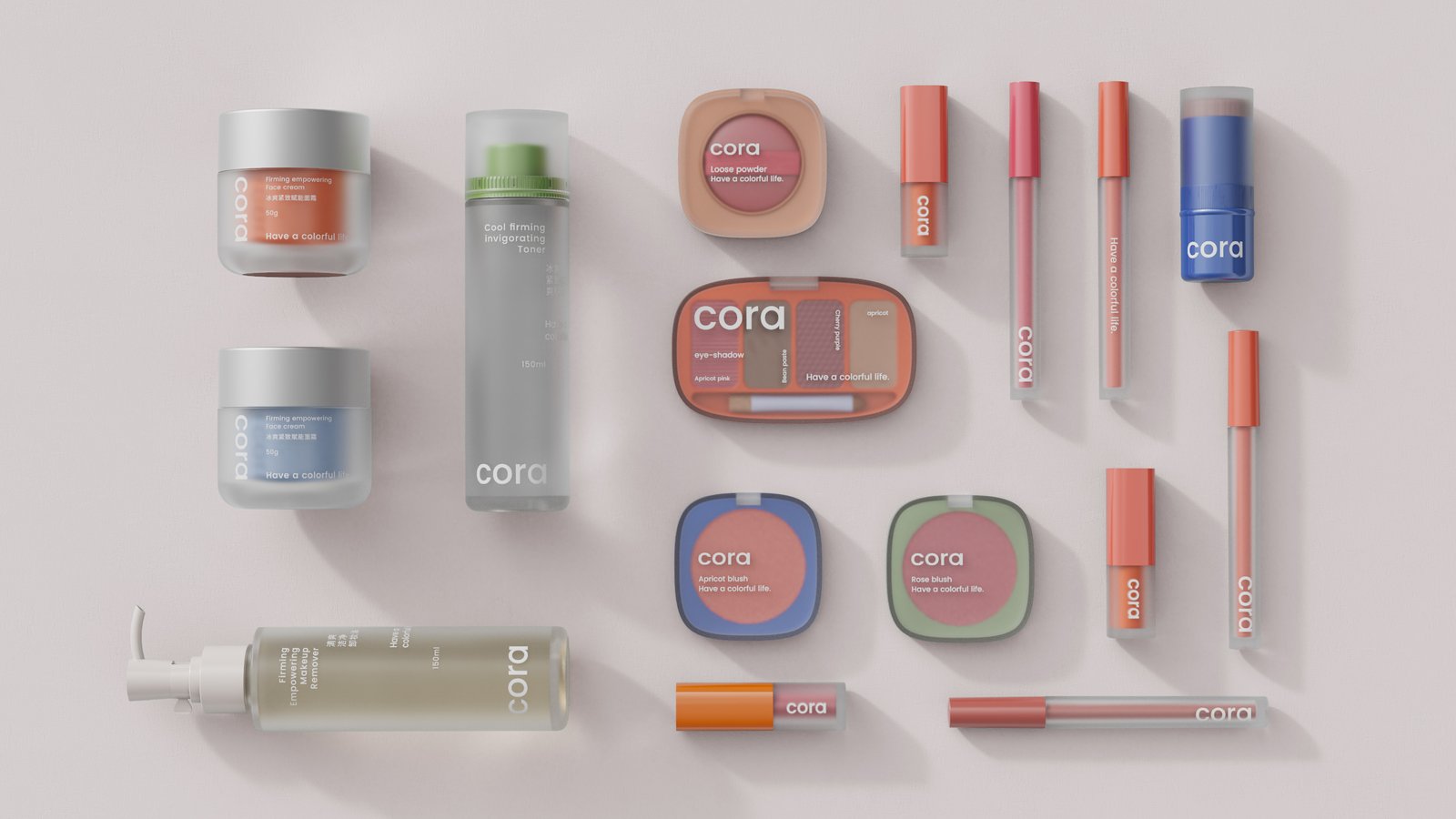
26 Jan Is Your Color Cosmetic Line Missing That X-Factor? Find Out in 7 Steps
Is Your Color Cosmetic Line Missing That X-Factor? Find Out in 7 Steps.
In the vibrant and ever-evolving world of color cosmetics, simply offering a beautiful product isn’t always enough. Your brand might have fantastic formulas, stunning packaging, and a great price point, but is it truly resonating with your target audience? Is it captivating them, making them loyal advocates, and ultimately, driving sales? If you’re asking yourself, “Is my color cosmetic line missing that X-factor?” the answer might lie in a deeper dive into what truly connects with consumers.
The “X-Factor” isn’t some mystical, unattainable quality. It’s a tangible blend of elements that create an irresistible brand allure, a magnetic pull that draws customers in and keeps them coming back. It’s the reason why certain brands become cult favorites, while others languish in obscurity.
This guide will walk you through 7 essential steps to identify if your color cosmetic line is missing that crucial spark, and more importantly, how to ignite it.

Step 1: Deep Dive into Your Target Audience’s Unmet Needs and Desires
Before you can add an X-factor, you need to understand who you’re trying to reach and what they’re truly looking for beyond just a lipstick or eyeshadow. Generic personas are a thing of the past; today’s consumers crave authenticity and brands that understand their nuanced lives.
Actionable Insights:
- Beyond Demographics: Move past age, location, and income. Delve into psychographics: their aspirations, their values, their daily struggles, their beauty philosophies, and their desired self-expression through makeup.
- Identify Pain Points: What frustrations do they have with current beauty products? Is it shade inclusivity, product longevity, ethical sourcing concerns, or the complexity of application?
- Uncover Aspirational Goals: What does makeup enable them to do or feel? Does it empower them for a big presentation, boost their confidence for a night out, or simply allow them to explore their creativity?
Tools & Techniques:
- Social Listening: Monitor social media conversations, forums (like Reddit’s beauty subreddits), and online reviews. Use tools like Brandwatch or Sprout Social for advanced analysis.
- Customer Surveys & Focus Groups: Design questionnaires that go beyond simple satisfaction. Ask open-ended questions about their beauty routines, inspirations, and frustrations.
- Competitor Analysis: Study the language and messaging of successful competitors. What emotional benefits are they highlighting?
Step 2: Audit Your Brand Story and Messaging
Your brand story is the narrative that connects your products to your audience’s hearts and minds. It’s more than just a mission statement; it’s the emotional thread that weaves through every touchpoint.
Key Questions for Your Audit:
- Is your story authentic and relatable? Does it reflect genuine passion and purpose, or does it feel manufactured?
- Does your messaging clearly articulate your unique value proposition? What makes your brand different and better?
- Are you speaking the language of your target audience? Does your tone of voice resonate with their sensibilities and communication style?
Table: Brand Story Audit Framework
| Aspect | Current State Assessment | Ideal State for X-Factor |
|---|---|---|
| Origin/Purpose | Vague or product-focused. | Clear, emotionally driven origin story that connects with a core audience value or need. |
| Values | Generic (e.g., quality, innovation). | Specific, actionable values (e.g., radical inclusivity, environmental stewardship, self-love advocacy). |
| Tone of Voice | Formal, corporate, or overly casual and unpolished. | Consistent, authentic, and tailored to resonate with the target audience – empowering, playful, educational, etc. |
| Unique Selling Proposition (USP) | Product features and benefits. | Emotional benefits, unique solutions to pain points, or a lifestyle association. |
| Consistency | Messaging varies across platforms and marketing materials. | Unified brand narrative reinforced across website, social media, packaging, and customer service interactions. |
Step 3: Evaluate Product Innovation and Differentiation
In a saturated market,”me-too” products rarely achieve iconic status. The X-factor often emerges from products that offer something genuinely new, solve a problem in a novel way, or cater to a previously underserved niche.
Where to Innovate:
- Unique Formulations: Think texture, finish, wear-time, multi-use capabilities, or even sensory experiences (scent, cooling effect).
- Exceptional Shade Inclusivity: This is no longer a niche; it’s a fundamental expectation for many consumers. Going beyond the usual spectrum can be a powerful differentiator.
- Problem-Solving Products: Does your product address a common beauty woe that others overlook? Think long-wear for oily skin, hydrating formulas for mature skin, or easy-to-use applicators for beginners.
- Sustainable & Ethical Offerings: Consumers are increasingly conscious of the environmental and social impact of their purchases.
Considerations for Differentiation:
- Market Gaps: Are there product categories or shade ranges that are underserved by current brands?
- Technological Advancements: Can you leverage new ingredient technologies or manufacturing processes?
- Niche Community Focus: Can you create products specifically for a subculture or a particular beauty aesthetic?
Step 4: Analyze Your Visual Identity and Packaging
Your packaging is often the first physical interaction a customer has with your brand. It needs to be more than just functional; it needs to be an extension of your brand story and an embodiment of desirability.
Visual Identity Checklist:
- Brand Aesthetics: Does your visual identity (logo, color palette, typography, imagery) align with your brand story and target audience? Is it memorable and recognizable?
- Packaging Design: Is it sophisticated, playful, minimalist, luxurious, or whatever aesthetic you’re aiming for? Does it feel premium or budget-friendly?
- Unboxing Experience: Does opening your product feel special? Consider the materials, the fit, and any added touches.
- Sustainability of Packaging: Is it eco-friendly, refillable, or made from recycled materials? This is increasingly important to consumers.
The X-Factor in Packaging:
- Iconic Design: Think of brands with instantly recognizable packaging. This isn’t achieved by accident; it’s deliberate design.
- Tactile Appeal: The feel of the packaging in hand can elevate the perceived value.
- Functional Brilliance: Innovative applicators or clever closures can be a subtle but appreciated X-factor.
Step 5: Assess Your Customer Experience and Community Building
The X-factor extends far beyond the product itself. It encompasses how you interact with your customers, how you foster a sense of belonging, and how you make them feel valued.
Elements of a Stellar Customer Experience:
- Exceptional Customer Service: Responsive, helpful, and personalized support across all channels.
- Community Engagement: Are you actively building a community around your brand? This could be through social media groups, loyalty programs, user-generated content campaigns, or exclusive events.
- Educational Content: Providing tutorials, tips, and ingredient information empowers customers and positions your brand as an expert.
- Personalization: Can you offer personalized recommendations or tailor experiences based on customer preferences?
- Loyalty Programs: Rewarding repeat customers with exclusive perks, early access, or special discounts can foster deep loyalty.
The Power of Community:
A strong brand community becomes a powerful marketing engine. Members act as brand advocates, share their experiences, and provide valuable feedback. They feel a connection that transcends transactional relationships.
Step 6: Evaluate Your Marketing and Influencer Strategy
How you present your brand to the world is critical. Is your marketing authentic, engaging, and reaching the right people through the right channels?
Key Marketing Considerations:
- Authenticity in Campaigns: Are your advertisements and social media content genuine and reflective of real people and experiences?
- Influencer Partnerships: Are you collaborating with influencers who genuinely align with your brand values and have an engaged audience that matches your target demographic? Prioritize authenticity over follower count.
- Content Marketing: Are you creating valuable content (blog posts, videos, tutorials) that educates, entertains, and inspires your audience?
- Social Media Presence: Is your social media strategy active, engaging, and consistent? Are you leveraging platforms effectively?
- User-Generated Content (UGC): Actively encouraging and showcasing UGC builds social proof and authenticity.
The X-Factor in Marketing:
- Storytelling Over Selling: Focus on narratives that evoke emotion and connection rather than just product features.
- Unexpected Collaborations: Partnering with brands or individuals outside your immediate industry can create buzz and reach new audiences.
- Interactive Campaigns: Contests, challenges, and polls can drive engagement and create memorable brand interactions.
Step 7: Seek and Act on Feedback – The Continuous Loop
The quest for the X-factor is not a one-time fix; it’s an ongoing process of listening, learning, and adapting.
How to Gather Feedback Effectively:
- Post-Purchase Surveys: Ask customers about their experience with the product and the overall brand.
- Social Media Monitoring: Pay close attention to comments, DMs, and mentions.
- Customer Service Interactions: Treat every customer service call or email as a valuable feedback opportunity.
- Product Reviews: Analyze reviews on your website and third-party platforms for recurring themes.
Acting on Feedback:
- Product Development: Use feedback to refine existing products or develop new ones that address consumer needs.
- Marketing Refinement: Adjust your messaging and campaigns based on what resonates (or doesn’t resonate) with your audience.
- Customer Experience Improvements: Identify and address any friction points in the customer journey.
By systematically analyzing these seven steps, you can gain a clear understanding of whether your color cosmetic line is truly embodying that elusive X-factor. It’s about cultivating a brand that not only sells products but also builds connections, inspires confidence, and creates a lasting impression in the hearts and minds of your consumers.
Is Your Color Cosmetic Line Missing That X-Factor? Find Out in 7 Steps. FAQ
Q1: What exactly is the “X-Factor” in the context of a color cosmetic brand?
The “X-Factor” refers to the unique, compelling, and often intangible qualities that make a color cosmetic brand stand out, resonate deeply with its target audience, and foster genuine loyalty. It’s more than just good products; it’s a combination of an authentic brand story, innovative offerings, a strong emotional connection, and an exceptional customer experience that makes consumers feel seen, understood, and inspired, ultimately driving them to choose and advocate for your brand over competitors.
Q2: How can I determine if my brand’s story is compelling enough to have the X-Factor?
To assess your brand story’s compelling nature, evaluate its authenticity, emotional resonance, and clarity. Does it have a genuine origin or purpose that connects with a core audience value? Is the narrative consistent across all your touchpoints, from your website to social media? Does your tone of voice speak directly to your target audience’s aspirations and needs? If your story feels generic, lacks emotional depth, or isn’t consistently communicated, it may be missing the X-Factor, and needs to be refined to create a stronger, more relatable connection.
Q3: Beyond product features, how can my color cosmetics offer an X-Factor experience?
The X-Factor experience extends to every customer interaction. This includes creating a seamless and delightful unboxing experience, offering personalized recommendations and exceptional customer service that makes clients feel valued. Furthermore, actively building and nurturing a community around your brand through engaging content, loyalty programs, and user-generated content campaigns can foster a sense of belonging. It’s about making customers feel part of something special, not just a transaction, thereby elevating their overall perception and attachment to your brand.
Q4: In today’s market, what constitutes truly innovative product differentiation for a color cosmetic line?
True product differentiation in today’s market goes beyond basic shades. It involves offering unique formulations with novel textures or multi-use capabilities, achieving exceptional shade inclusivity that caters to a wide spectrum of skin tones, or developing problem-solving products that address specific consumer pain points (e.g., long-wear for oily skin, hydration for mature skin). Additionally, integrating sustainable and ethical sourcing practices, or focusing on niche aesthetics and subcultures, can provide a powerful X-Factor by meeting evolving consumer values and demands.
Q5: How important is visual identity and packaging in creating a color cosmetic brand’s X-Factor?
Visual identity and packaging are critically important as they often form the very first tangible impression of your brand. An iconic, memorable, and aesthetically pleasing design that aligns with your brand story can create immediate desirability. The tactile feel of the packaging, the thoughtful unboxing experience, and the overall presentation significantly contribute to perceived value and brand recognition. When your visual elements are cohesive, sophisticated, and reflective of your brand’s essence, they become a powerful component of your X-Factor, making your products instantly recognizable and covetable.



No Comments