


05 Mar A Firsthand Cosmetics Factory Audit
Behind the Scenes: A Firsthand Cosmetics Factory Audit – Uncovering the Secrets of Premium Skincare Production
Ever found yourself staring at your favorite skincare bottle, wondering what really goes into making the high-quality formulas that transform your skin? What does a GMP-certified cosmetics factory actually look like? How do brands ensure every drop of serum, every jar of moisturizer, and every tube of cream meets the strictest standards for safety, purity, and efficacy? Today, we’re pulling back the curtain and taking you on an exclusive, firsthand factory audit tour—camera in hand, questions ready, and a deep dive into the behind-the-scenes magic that turns raw skincare ingredients into the products you trust for your daily routine. This isn’t just a tour; it’s a journey through the precision, passion, and rigorous quality control that separates premium beauty brands from the rest. And by the end, you’ll walk away with insider knowledge that’ll change how you shop for skincare forever (plus, we’re dropping a few shocking industry secrets we uncovered along the way).
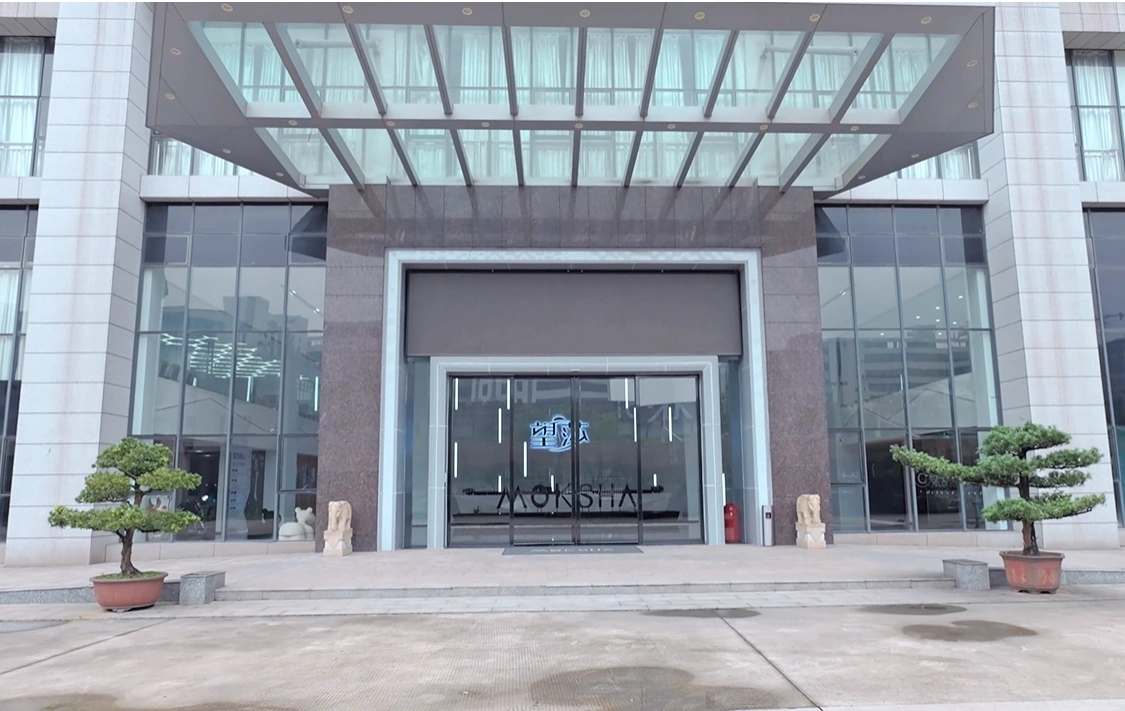
Our audit took us to a state-of-the-art cosmetics manufacturing facility that supplies some of the most beloved skincare brands on the market—one that prides itself on science-driven formulation, sustainable practices, and uncompromising quality. From the moment we stepped through the factory’s sanitized entrance (yes, full gowning, hairnets, and shoe covers are non-negotiable), it was clear: this is not a place for cutting corners. We documented every step with photos and video, from the climate-controlled raw material storage rooms to the high-tech mixing labs, from the sterile filling lines to the exhaustive quality control (QC) testing labs. What we saw left us amazed at the level of detail that goes into every single product—and a little surprised at how many steps most consumers never even know exist.
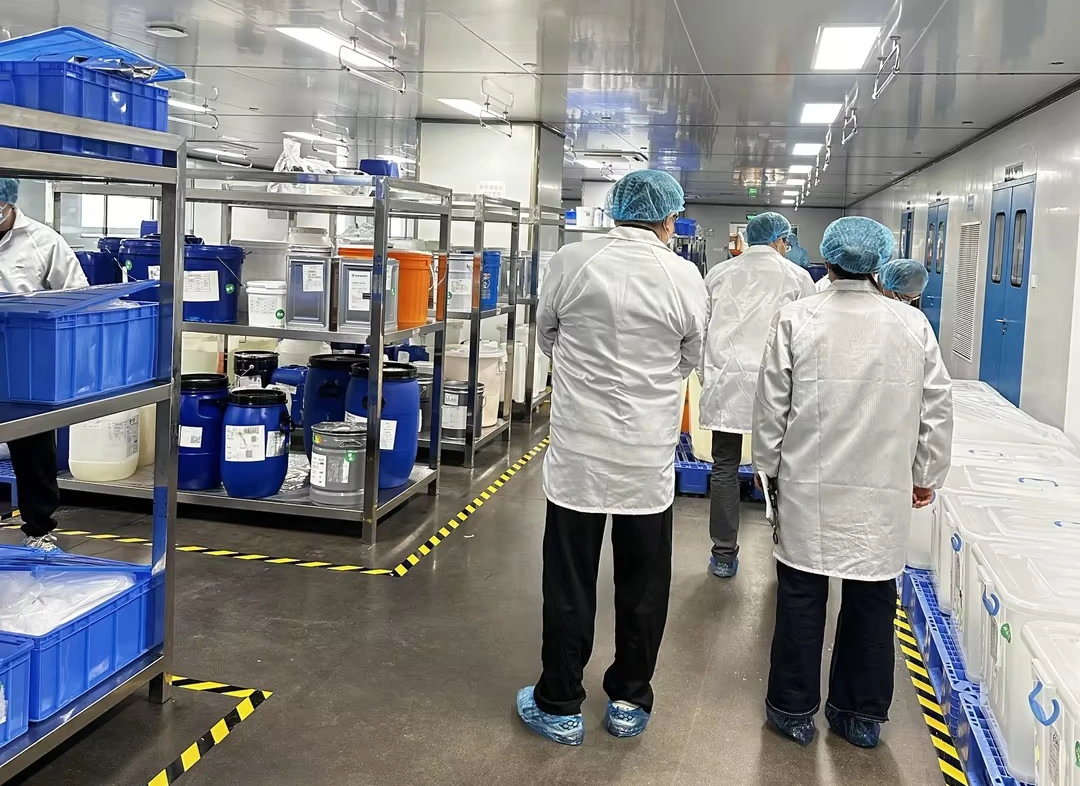
Let’s start with the raw ingredient stage—the foundation of every great skincare product, and the first stop on our audit. We walked through temperature and humidity-regulated storage vaults where ingredients like hyaluronic acid, retinol, niacinamide, and organic green tea extract are stored in airtight, labeled containers, each with a scannable batch code that tracks its origin, arrival date, and purity test results. No random shelving, no unmarked jars—every ingredient is traceable back to its supplier, and every batch undergoes a third-party purity test before it even touches a mixing bowl. We spoke with the factory’s raw material specialist, who told us the #1 rule here: if an ingredient doesn’t meet the factory’s 99.9% purity standard, it’s rejected—no exceptions. We even got a close-up video of the lab where they test for heavy metals, microcontaminants, and ingredient potency—something that far too many budget manufacturers skip. This step alone is why premium skincare feels (and works) so different: it all starts with clean, high-quality ingredients.
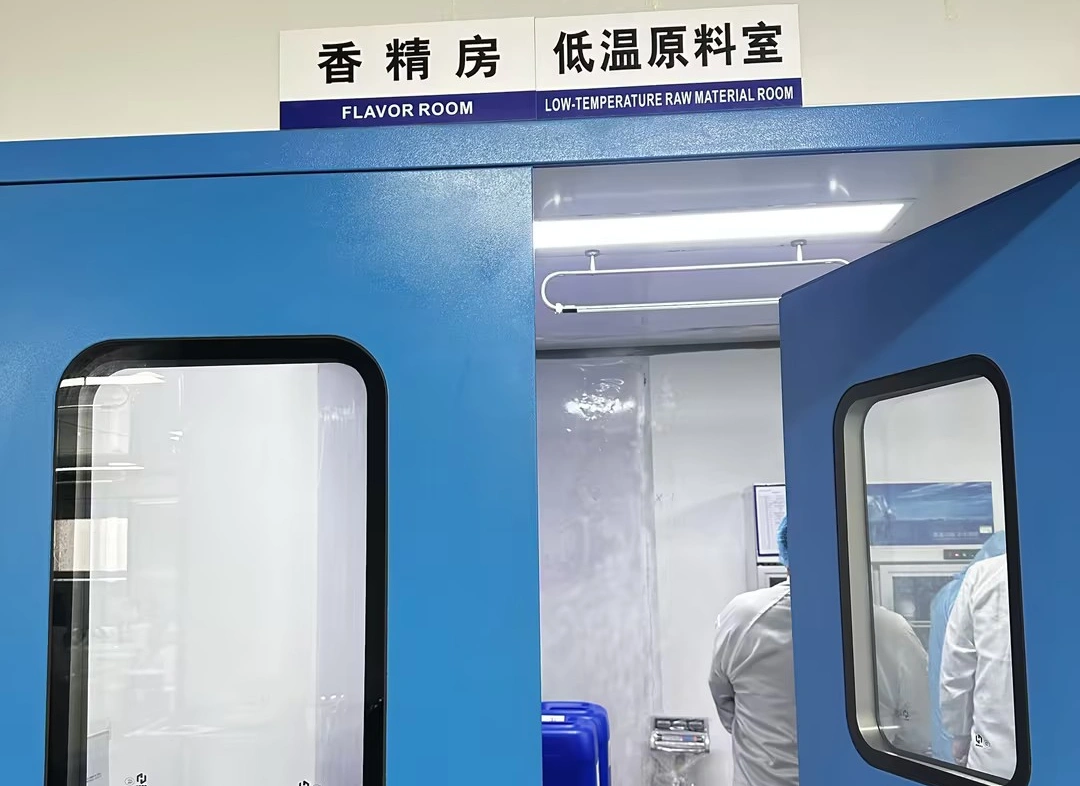
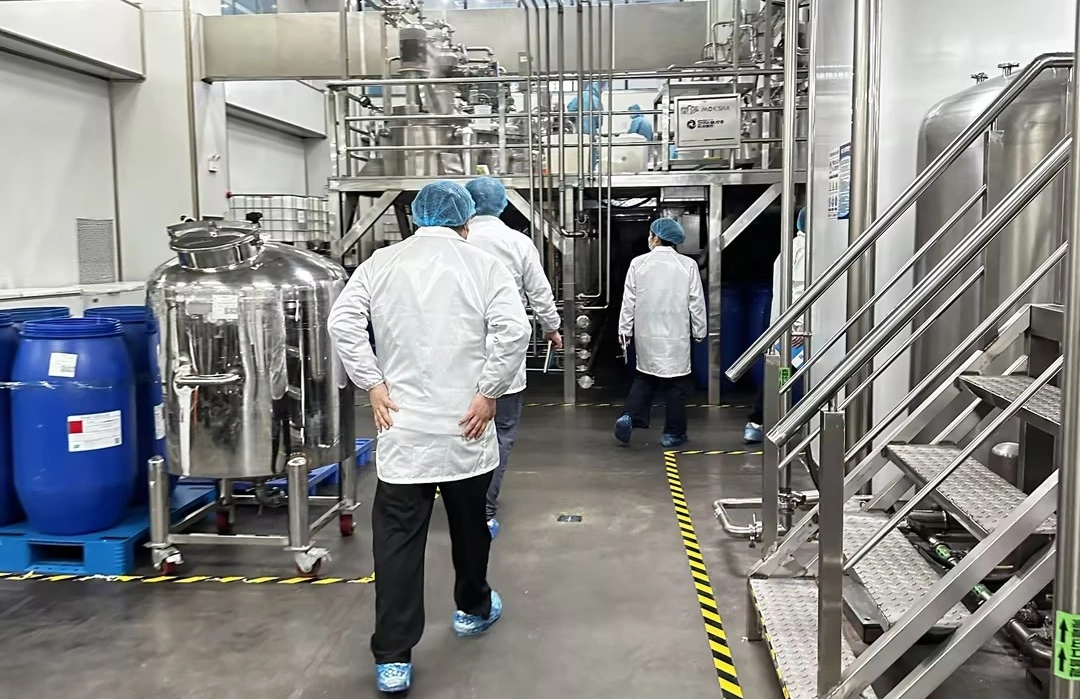
Next up, the formulation and mixing lab—the heart of the factory, and where skincare science comes to life. This is a GMP (Good Manufacturing Practice) certified space, meaning every surface is sanitized hourly, every piece of equipment is calibrated daily, and every formulator wears full sterile PPE to avoid cross-contamination. We watched as a team of cosmetic chemists mixed a batch of peptide anti-aging serum, using precise digital scales that measure ingredients to the 0.001 gram—no guesswork, no approximate measurements. The mixing tanks are made of medical-grade stainless steel, and each batch is stirred at a specific speed and temperature for a set amount of time to ensure the ingredients blend evenly (a mistake here can ruin an entire batch). We captured video of the mixing process, and let’s just say: the “art” of skincare formulation is really all science—and these chemists are true experts. We even asked about custom formulations for brands, and learned that the factory works closely with skincare brands to tweak formulas for different skin types (oily, dry, sensitive) and regional skincare needs—another insider secret that makes personalized skincare possible.
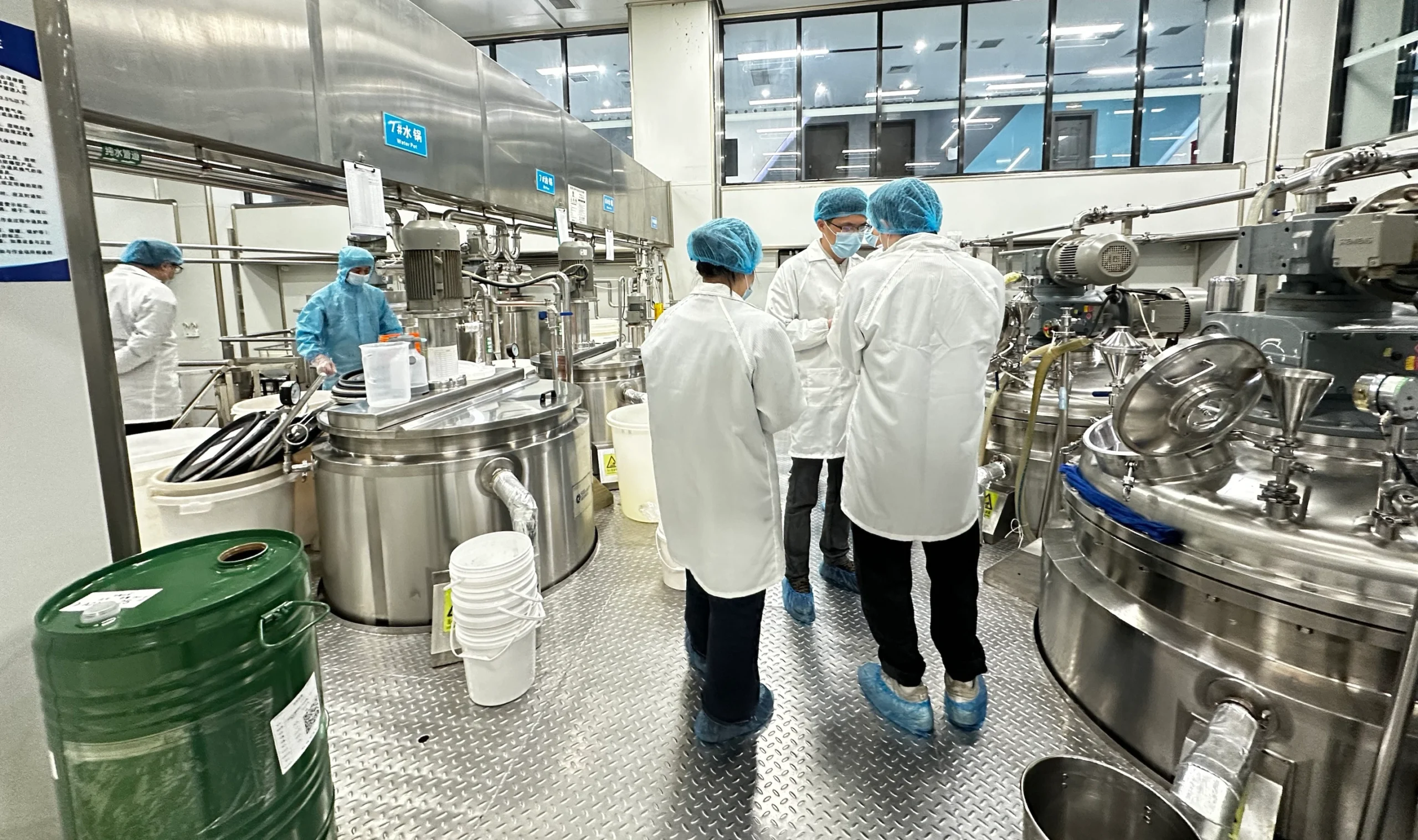
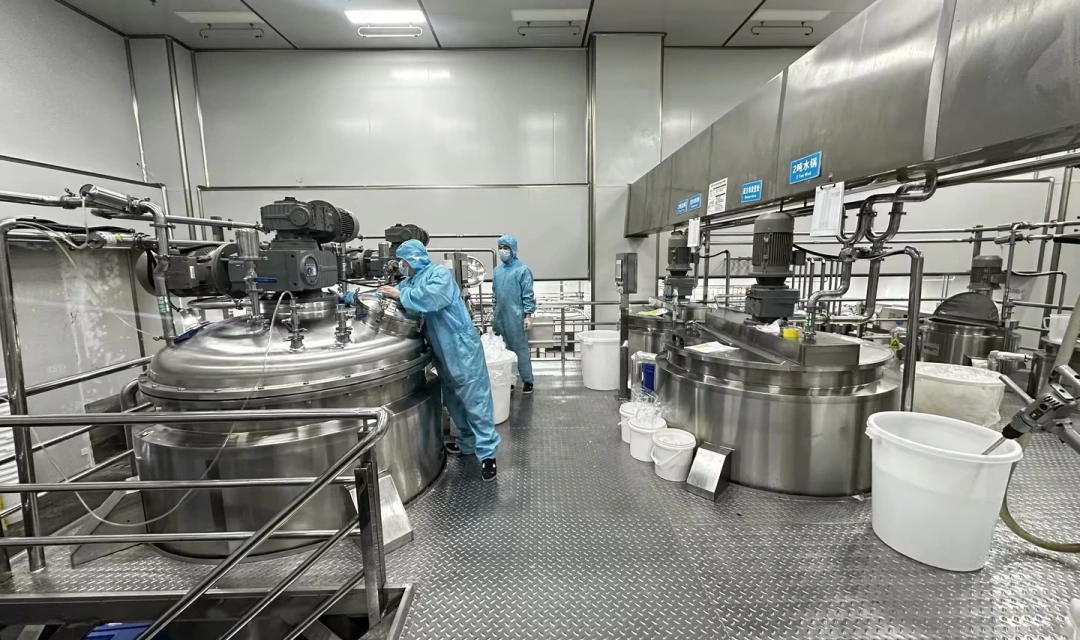
From the mixing lab, we moved to the filling and packaging line—a sterile, automated space where the magic of production really ramps up. We saw robotic arms filling serum bottles with pinpoint accuracy, avoiding spills and ensuring every bottle has the exact volume listed on the label. Jars of moisturizer are sealed with airtight lids, and every product is labeled with a unique batch number, expiration date, and ingredient list—all printed on-site to avoid counterfeiting. What surprised us most? The factory’s double-check system: every product is visually inspected by a human after the automated filling, and a random sample from every batch is pulled for additional testing. We took photos of the inspection station, where technicians check for leaks, mislabeling, and even tiny air bubbles in the product (yes, bubbles matter—they can affect shelf life!). Packaging is also a big focus here: the factory uses recyclable, airtight containers to preserve ingredient potency, and we learned that cheap packaging (think: thin plastic jars) can actually break down active skincare ingredients like vitamin C and retinol—that’s why some drugstore products don’t work as well as their premium counterparts.
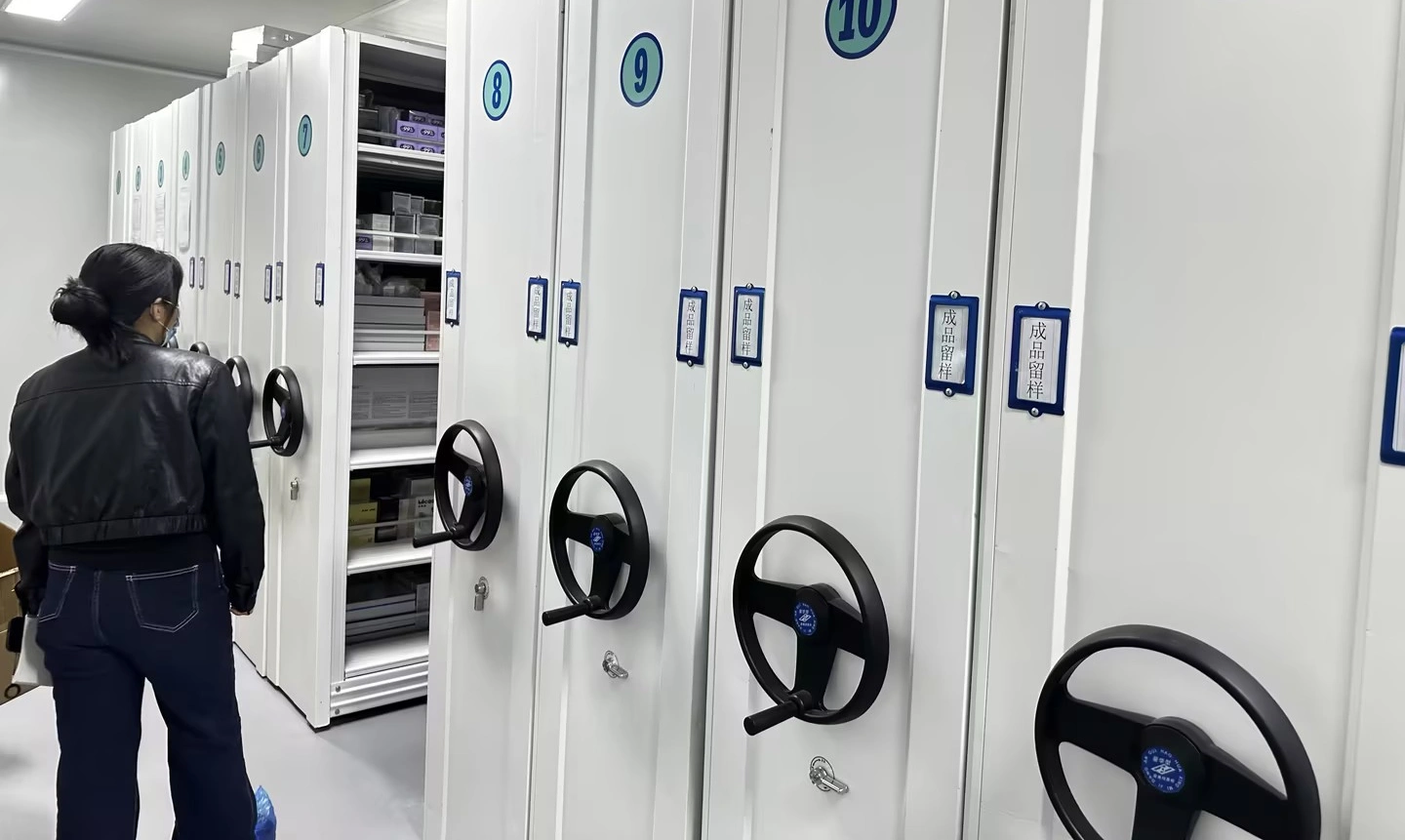
No factory audit is complete without a deep dive into the QC and testing lab—the final checkpoint before products leave the factory, and where the factory’s strictest standards are enforced. This is where every batch of skincare is put through its paces: stability testing (to ensure the product works for its full shelf life, even in extreme temperatures), microbial testing (to make sure no bacteria or mold grows in the product), and efficacy testing (to verify that active ingredients like retinol and niacinamide are present in the stated concentration). We captured video of the stability testing chambers, which simulate hot, cold, and humid conditions for months—all to make sure your skincare doesn’t go bad or lose its power before you even open it. The QC lab also tests for product consistency: every jar of moisturizer, every tube of cleanser, must have the same texture, color, and scent as the original formulation. If a batch fails any test—it’s destroyed. No second chances, no “close enough”—this is the level of accountability that makes premium skincare safe to use, even for sensitive skin.
As we wrapped up our tour, we sat down with the factory’s quality assurance manager for a candid chat—and they dropped a few industry secrets that we had to share (this is the suspense you’ve been waiting for!). We learned that some “clean beauty” brands cut corners by skipping third-party ingredient testing, that many affordable anti-aging products use diluted active ingredients (so you’re paying for water, not retinol), and that the biggest mistake consumers make is buying skincare from unregulated manufacturers (think: Amazon third-party sellers with no factory transparency). We also learned a game-changing tip for shopping for skincare: always check the brand’s factory transparency page. If a brand doesn’t share where their products are made, or doesn’t have GMP certification—steer clear. This insider info is gold, and it’s the kind of knowledge that only comes from walking the floors of a top-tier cosmetics factory.
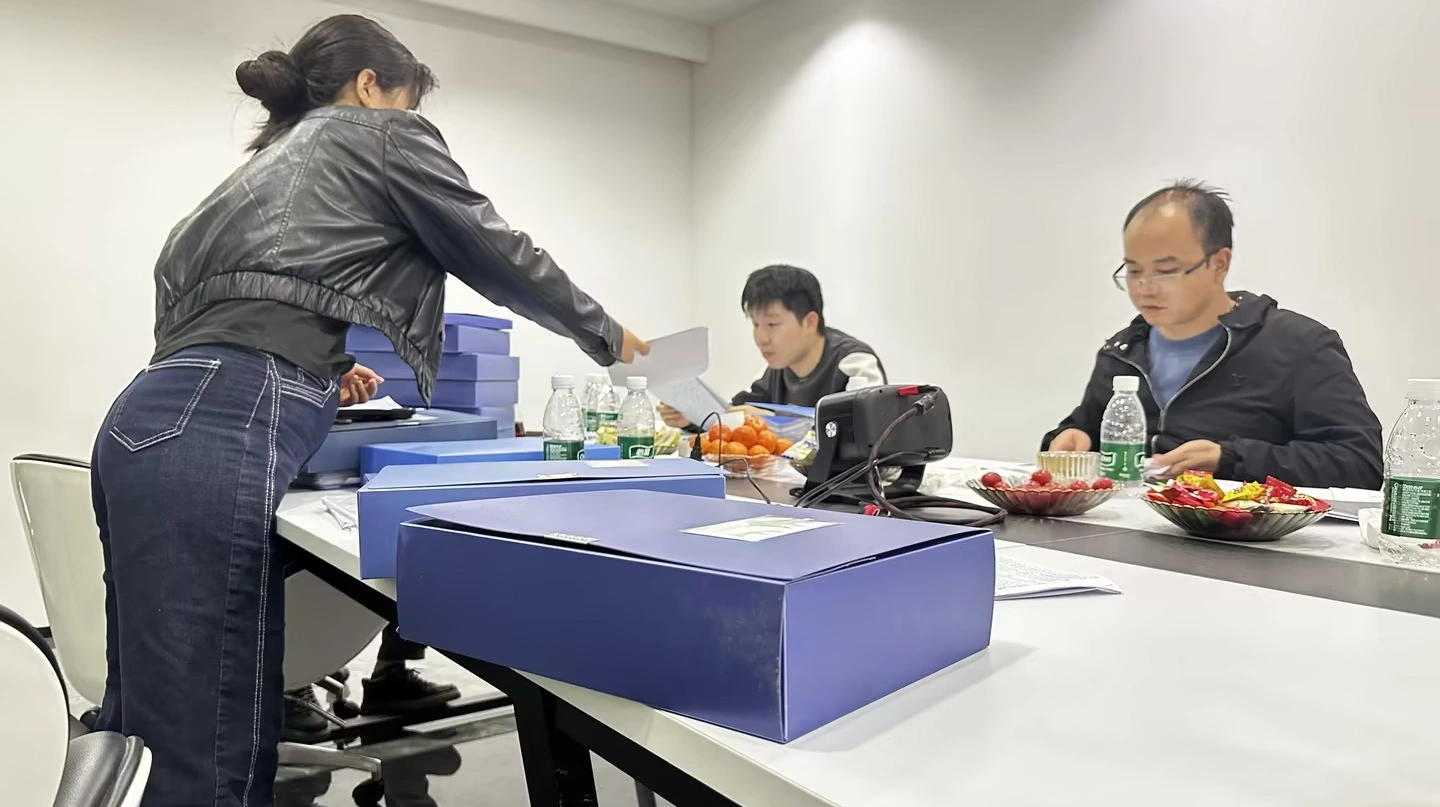
Our firsthand factory audit was an eye-opening experience, to say the least. We left with hundreds of photos and hours of video that capture every step of the skincare production process—from raw ingredients to the finished product—and a newfound appreciation for the work that goes into the products we use every day. This tour wasn’t just about seeing how skincare is made; it was about verifying that the brands we love stand behind their products with real, tangible quality control, not just marketing buzzwords. And now, we’re turning that audit into something for you: in the coming weeks, we’ll be releasing our full, detailed factory audit report—complete with exclusive video clips, behind-the-scenes photos, and a breakdown of the best (and worst) skincare manufacturing practices to watch for. We’ll also be sharing a list of brands that use this GMP-certified factory (you’ll recognize a few of your favorites!), and a guide to shopping for skincare like an insider. Trust us—this report is going to be a game-changer for your skincare routine, and you won’t want to miss it.
So, what’s the biggest takeaway from our factory audit? Premium skincare isn’t just about expensive ingredients—it’s about transparency, precision, and uncompromising quality control at every single step. The next time you reach for your favorite serum or moisturizer, you’ll know exactly what goes into making it—and why it’s worth every penny. And if you’re curious to see more behind-the-scenes footage from our tour? Follow us for sneak peeks, reel snippets, and early access to our full audit report—we’re dropping teasers all week long.
The skincare industry is full of secrets, but today, we uncovered some of the biggest ones. Now it’s your turn to become an informed skincare shopper—and we’re here to guide you every step of the way. Stay tuned… the best is yet to come.
No Comments